
See a Demo
You're just one step away from seeing Call Loop in action.
Enter your information below to watch a demo right now.

You're just one step away from seeing Call Loop in action.
Enter your information below to watch a demo right now.

In today's competitive landscape, blasting the same generic message to your entire audience is a recipe for failure. The key to scalable, high-impact outreach lies in understanding precisely who your customers are and what they need from you. This is where customer segmentation comes in, the practice of dividing your audience into distinct groups based on shared characteristics. By doing so, you can tailor your messaging with surgical precision, leading to higher engagement, better conversion rates, and stronger customer loyalty.
Before diving into specific examples, it's crucial to understand the foundational principles behind this strategy. For a deeper look at the core concepts, exploring what is audience segmentation provides a solid framework for how to effectively group your contacts. This approach is the difference between shouting into a void and having a meaningful, one-on-one conversation that resonates with each person.
In this comprehensive guide, we'll break down 10 practical customer segments examples across various industries, from healthcare and e-commerce to real estate and service-based businesses. We will explore how to leverage multi-channel messaging tools like SMS, automated voice campaigns, and even specialized techniques like ringless voicemail drops to communicate with each segment effectively. You'll get actionable strategies, specific message templates, and the key performance indicators (KPIs) you need to track for success. Our goal is to help you move from generic broadcasts to personalized, revenue-driving conversations that build lasting relationships and grow your business.
Healthcare organizations represent one of the most critical customer segments examples where timely, secure communication is non-negotiable. This segment includes hospitals, dental offices, specialty clinics, and other medical practices that need to send Protected Health Information (PHI) through HIPAA-compliant channels. They use secure SMS, voice broadcasts, and ringless voicemail to manage patient communication at scale, from appointment reminders to post-operative care instructions.
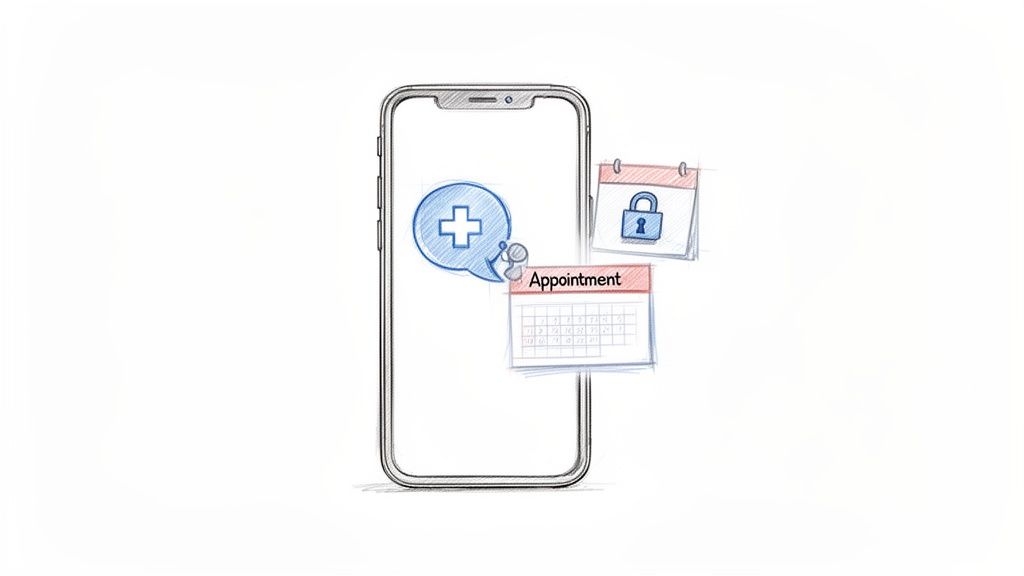
This segment is vital because patient engagement directly impacts health outcomes and operational efficiency. Missed appointments cost the U.S. healthcare system an estimated $150 billion annually. By implementing automated reminders, providers can drastically reduce no-show rates, improve clinic workflow, and ensure patients receive essential information for their care.
Why It Matters: Beyond reducing no-shows, this strategy builds patient trust and improves the overall care experience. Secure messaging automates routine communication, freeing up administrative staff to handle more complex patient needs and urgent inquiries.
Key Triggers for Segmentation:
Suggested Channels & Sample Messages:
Key Takeaway: The primary goal for healthcare providers is to blend efficiency with compliance. Using a HIPAA-certified platform is essential for protecting patient data while leveraging powerful automation tools. Track KPIs like the no-show rate and patient confirmation rate to measure success. For a deeper dive, learn more about how healthcare SMS can transform patient communication.
Sales organizations represent dynamic customer segments examples where speed, personalization, and scale are crucial for success. This segment includes B2B sales teams, inside sales departments, and business development professionals who use outbound messaging to manage high-volume lead follow-up, qualification, and pipeline nurturing. They leverage SMS, voice broadcasts, and ringless voicemail drops to engage prospects efficiently, cutting through the noise of crowded email inboxes.
This segment is essential because consistent and timely follow-up directly correlates with conversion rates. Sales teams often manage hundreds of leads at once, and manual outreach is inefficient. By automating initial touchpoints and follow-ups, they can qualify inbound leads faster, re-engage cold prospects, and ensure no opportunity slips through the cracks, ultimately accelerating the sales cycle and boosting revenue.
Why It Matters: Automating outreach allows sales reps to focus their time on high-intent, qualified prospects rather than manual dialing and emailing. This strategy increases productivity, improves response rates from potential customers, and creates a consistent engagement cadence across the entire sales team.
Key Triggers for Segmentation:
Suggested Channels & Sample Messages:
Key Takeaway: The primary objective for sales teams is to maximize engagement while maintaining efficiency. Integrating communication tools with a CRM (like HubSpot or Keap) is key for tracking interactions and automating workflows. Monitor KPIs such as response rate, lead-to-opportunity conversion rate, and sales cycle length to measure effectiveness.
Online retailers and direct-to-consumer brands are powerful customer segments examples that leverage direct-to-customer communication to drive revenue and build loyalty. This segment uses SMS, MMS, and ringless voicemail for promotional offers, abandoned cart recovery, and post-purchase engagement. They benefit from high-frequency messaging and direct communication that bypasses crowded email inboxes and social media algorithms.

This segment thrives because timing and personalization are critical in the competitive retail landscape. An abandoned cart recovery text sent within an hour can recapture otherwise lost sales, while a personalized birthday offer can foster a strong brand connection. Unlike other channels, mobile messaging provides an immediate and personal touchpoint that cuts through the noise.
Why It Matters: In e-commerce, every interaction is an opportunity to convert or retain. Direct messaging channels give brands full control over their audience relationship, enabling them to send flash sale alerts, restock notifications, and exclusive loyalty perks that drive immediate action and increase customer lifetime value.
Key Triggers for Segmentation:
Suggested Channels & Sample Messages:
Key Takeaway: The primary goals for e-commerce are to drive conversions and foster loyalty. The key is using behavioral data to send highly personalized and timely messages. Track KPIs like conversion rate from SMS, cart abandonment recovery rate, and list growth rate. To explore this topic further, discover how SMS marketing for e-commerce can boost your sales.
Event organizers and webinar hosts are prime customer segments examples that thrive on high attendance and engagement. This segment includes conference planners, virtual event platforms, and training companies that use automated messaging to manage the entire attendee lifecycle. They leverage SMS reminders, voice broadcasts, and ringless voicemail to boost registrations, reduce no-shows, and facilitate post-event communication.
This segment is critical because event success is directly tied to attendance rates and attendee satisfaction. An empty webinar or conference hall means lost revenue and diminished impact. By automating reminders and delivering key information directly to attendees' phones, organizers can maximize turnout, share urgent updates like schedule changes, and gather valuable feedback to improve future events.
Why It Matters: Effective communication before, during, and after an event creates a seamless and professional experience. It builds excitement, ensures attendees have all necessary information, and extends the conversation beyond the event itself, fostering a loyal community.
Key Triggers for Segmentation:
Suggested Channels & Sample Messages:
Key Takeaway: The goal for event organizers is to use multi-channel messaging to guide attendees from registration to post-event feedback. Automated drip campaigns are essential for nurturing registrants. Track KPIs like attendance rate, click-through rate on event links, and post-event survey completion rates.
Service-based businesses like fitness studios, salons, and spas are prime customer segments examples where appointment attendance is directly tied to revenue. This segment includes karate dojos, yoga studios, hair salons, and personal trainers who rely on consistent bookings. They use automated SMS, voice broadcasts, and ringless voicemail to manage schedules, drastically cut down on costly no-shows, and encourage repeat business.
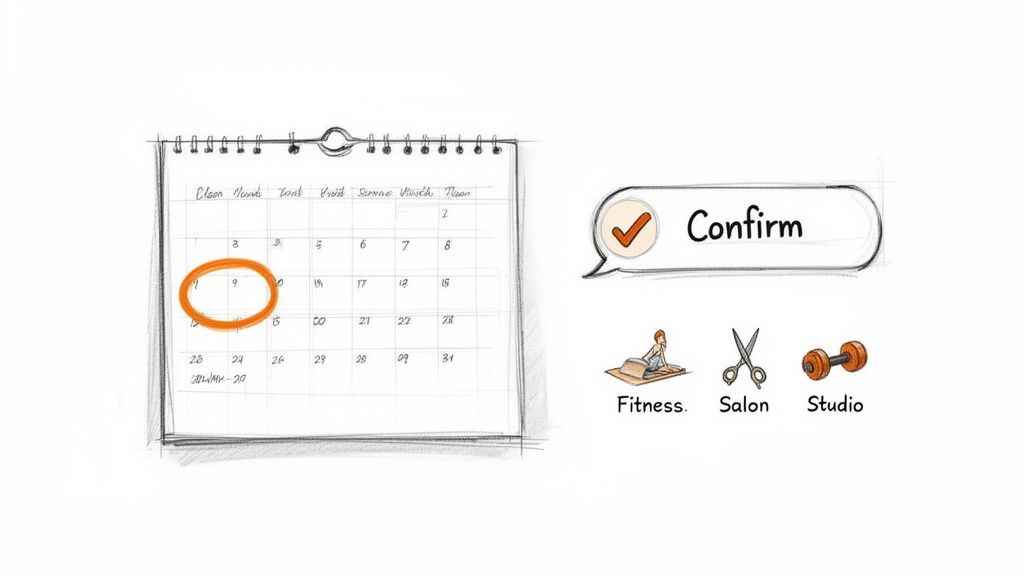
This segment's profitability hinges on maximizing billable hours. An empty chair at a salon or a missed personal training session represents lost income that can never be recovered. By automating appointment confirmations and reminders, these businesses can secure their schedules, fill last-minute cancellations, and create a more professional and streamlined client experience.
Why It Matters: Effective communication builds client loyalty and maximizes schedule efficiency. Automated reminders free up staff from making manual confirmation calls, allowing them to focus on providing excellent in-person service and managing client relationships. This proactive approach also reduces the friction associated with rescheduling.
Key Triggers for Segmentation:
Suggested Channels & Sample Messages:
Key Takeaway: The main goal for service-based businesses is to protect their revenue by minimizing no-shows and maximizing client retention. Integrating a communication platform with existing booking software like Mindbody or Acuity is crucial for seamless automation. Key KPIs to monitor include the no-show rate, client confirmation rate, and rebooking rate.
Non-profit organizations and community groups are powerful customer segments examples that rely on mass communication to achieve their missions. This segment includes charities, advocacy groups, and political campaigns that must mobilize volunteers, drive donations, and raise awareness on a tight budget. They leverage SMS, voice broadcasts, and ringless voicemail to engage supporters, coordinate events, and broadcast urgent calls to action.
This segment is crucial because effective outreach directly translates to impact, whether it's through fundraising, volunteer turnout, or policy change. Unlike for-profit businesses, their ROI is measured in community engagement and mission fulfillment. Cost-effective tools like mass texting allow them to build a dedicated supporter base and create immediate, widespread action without expensive advertising campaigns.
Why It Matters: For non-profits, consistent communication builds a loyal community and sustains momentum. Automated messaging keeps supporters informed and makes it easy for them to participate, turning passive followers into active donors, volunteers, and advocates.
Key Triggers for Segmentation:
Suggested Channels & Sample Messages:
Key Takeaway: The primary objective for non-profits is to maximize engagement while minimizing costs. Building an opt-in list via text-to-join keywords at events and on websites is a foundational step. Track KPIs like donor conversion rates from texts and volunteer sign-ups per campaign. Discover more strategies by reading about how a mass texting service for nonprofits can amplify outreach.
Educational institutions and corporate training departments are powerful customer segments examples that leverage communication to boost engagement and completion rates. This segment includes online course platforms like Coursera, university extension programs, and internal corporate trainers who need to guide learners through complex material. They use automated SMS, voice broadcasts, and ringless voicemail to manage the entire student lifecycle, from enrollment confirmations to final exam reminders.
This segment is crucial because learner engagement directly correlates with course completion and knowledge retention. With online course dropout rates as high as 90%, proactive communication is essential for keeping students motivated and on track. By automating reminders and progress updates, educators can significantly improve learning outcomes and demonstrate a higher return on investment for their programs.
Why It Matters: Consistent communication transforms a passive learning experience into an active, supportive journey. It helps learners feel connected and accountable, preventing them from falling behind while freeing up instructors to focus on teaching rather than administrative follow-ups.
Key Triggers for Segmentation:
Suggested Channels & Sample Messages:
Key Takeaway: The primary goal for educators is to maintain learner momentum and prevent disengagement. Integrating a messaging platform with a Learning Management System (LMS) can automate triggers based on student actions. Key KPIs include course completion rate, assessment submission rate, and student engagement scores.
Real estate professionals and property managers represent one of the most fast-paced customer segments examples, where speed and consistent follow-up directly influence revenue. This segment includes brokerages, individual agents, and property management firms that use SMS, voice, and ringless voicemail to accelerate sales cycles, nurture leads, and streamline tenant communication. They leverage these channels for everything from promoting new listings to coordinating maintenance requests.
This segment is crucial because the real estate market is intensely competitive and time-sensitive. A lead that isn't contacted within five minutes is significantly less likely to convert. By using automated messaging for instant follow-ups, showing confirmations, and open house reminders, agents can engage more buyers and sellers effectively, while property managers can improve tenant satisfaction and retention.
Why It Matters: In real estate, building and maintaining relationships is paramount. Automated communication allows professionals to stay top-of-mind with a large network of contacts without sacrificing a personal touch. This strategy ensures no lead falls through the cracks and all clients receive timely updates.
Key Triggers for Segmentation:
Suggested Channels & Sample Messages:
Key Takeaway: The primary objective for real estate professionals is to combine speed with personalization to build a robust sales pipeline and improve client service. Segmenting contacts based on their specific needs is key to delivering value. For property managers looking to streamline their operations and better serve their customer segments, exploring the best property management apps can further enhance efficiency.
Financial institutions, including banks, insurance agencies, and fintech companies, are prime customer segments examples where security and compliance are paramount. This segment leverages secure, opt-in messaging to manage a wide range of communications, from fraud alerts and payment reminders to policy renewals and market updates. They rely on compliant channels to build trust and deliver time-sensitive information securely.
This segment is crucial because timely communication directly impacts financial security and customer loyalty. A single missed payment can harm a customer's credit, while a delayed fraud alert can lead to significant financial loss. By using automated alerts and reminders, financial providers can empower customers to manage their finances effectively, reducing late payments and enhancing account security.
Why It Matters: Proactive and secure communication helps financial institutions meet stringent regulatory requirements (like TCPA and GLBA) while improving the customer experience. Automating routine notifications allows teams to focus on high-value interactions, such as financial advising and complex support inquiries.
Key Triggers for Segmentation:
Suggested Channels & Sample Messages:
Key Takeaway: For the financial sector, the primary objective is to balance proactive communication with ironclad security and compliance. Always secure explicit opt-in for messaging and include clear sender identification. Key performance indicators to track include customer engagement rates, reduction in late payments, and opt-out rates to gauge message relevance.
Automotive dealerships and service centers are powerful customer segments examples that thrive on repeat business and consistent communication. This segment includes new and used car dealerships, auto repair shops, and quick-lube franchises that need to manage service appointments, promote inventory, and nurture long-term customer relationships. They leverage SMS, voice broadcasts, and ringless voicemail to automate everything from oil change reminders to alerts about newly arrived vehicles.
This segment is crucial because the automotive customer lifecycle extends far beyond the initial sale. Consistent, relevant communication drives high-margin service revenue and builds the loyalty needed to secure the customer’s next vehicle purchase. Neglecting post-sale engagement often leads to customers seeking service from independent shops, severing a vital revenue stream and weakening brand loyalty.
Why It Matters: Effective communication automates the service retention cycle, turning one-time buyers into lifelong patrons. It also reduces the administrative burden of manual appointment scheduling and follow-ups, allowing service advisors to focus on providing excellent in-person customer experiences.
Key Triggers for Segmentation:
Suggested Channels & Sample Messages:
Key Takeaway: The goal for automotive businesses is to automate retention and maximize customer lifetime value. Integrating communication tools with the dealership's management system (DMS) is key to triggering messages based on real-time data like service history and vehicle mileage. Track KPIs like the service appointment show rate and repeat customer rate to gauge effectiveness.
We've journeyed through a comprehensive collection of customer segments examples, spanning industries from healthcare and e-commerce to real estate and non-profits. The core lesson is clear: effective communication isn't about shouting a single message to everyone. It's about whispering the right message to the right person at the right time.
The examples provided are not just static categories; they are dynamic blueprints for building deeper, more profitable customer relationships. By moving beyond generic broadcasts and embracing targeted outreach, you transform your communication from an expense into a strategic asset. The common thread woven through every example is the shift from a one-size-fits-all approach to a nuanced, context-aware strategy that respects the individual's journey.
Mastering segmentation allows you to deploy your communication tools with surgical precision. Instead of choosing between channels, you can create a cohesive strategy where each channel plays a specific, powerful role.
This multi-channel methodology, when powered by robust segmentation, creates a communication engine that is both efficient and profoundly effective. For instance, a "High-Value, At-Risk" e-commerce segment might receive a personalized SMS with a unique discount code, followed by a ringless voicemail from a "customer success manager" a few days later if they haven't purchased. This is a level of personalization that builds loyalty and drives revenue.
Understanding these customer segments examples is the first step. The real value comes from implementation. Here is a practical roadmap to get you started on turning these insights into tangible results for your business.
By starting small and proving the return on investment with a single segment, you can build the momentum and internal case to expand your segmentation efforts across your entire customer base. This iterative process is how you turn personalized communication into a scalable and sustainable competitive advantage, making your customers feel seen, understood, and valued at every touchpoint.
Ready to turn these customer segments examples into a powerful, automated communication strategy? Call Loop provides the intuitive platform you need to send targeted SMS, voice broadcasts, and ringless voicemail messages to the right people at the right time. Start a free trial and see how easy it is to build smarter, more profitable customer relationships today at Call Loop.
Chris Brisson
Chris is the co-founder and CEO at Call Loop. He is focused on marketing automation, growth hacker strategies, and creating duplicatable systems for growing a remote and bootstrapped company. Chat with him on X at @chrisbrisson


Trusted by over 45,000 people, organizations, and businesses like


