
See a Demo
You're just one step away from seeing Call Loop in action.
Enter your information below to watch a demo right now.

You're just one step away from seeing Call Loop in action.
Enter your information below to watch a demo right now.

Health care SMS is exactly what it sounds like: a way for medical practices to send and receive text messages with their patients. It’s used for everything from appointment reminders to sharing health tips, giving providers a direct and instant line to people where they are most—on their phones.
Health care SMS now sits in the middle of everyday clinic operations, not on the edge of them. In practice, that means texts for appointment reminders and confirmations, intake follow-ups, prescription refill or pickup notices, billing alerts, and two-way patient messaging when someone needs to ask a simple question or respond without waiting on hold.
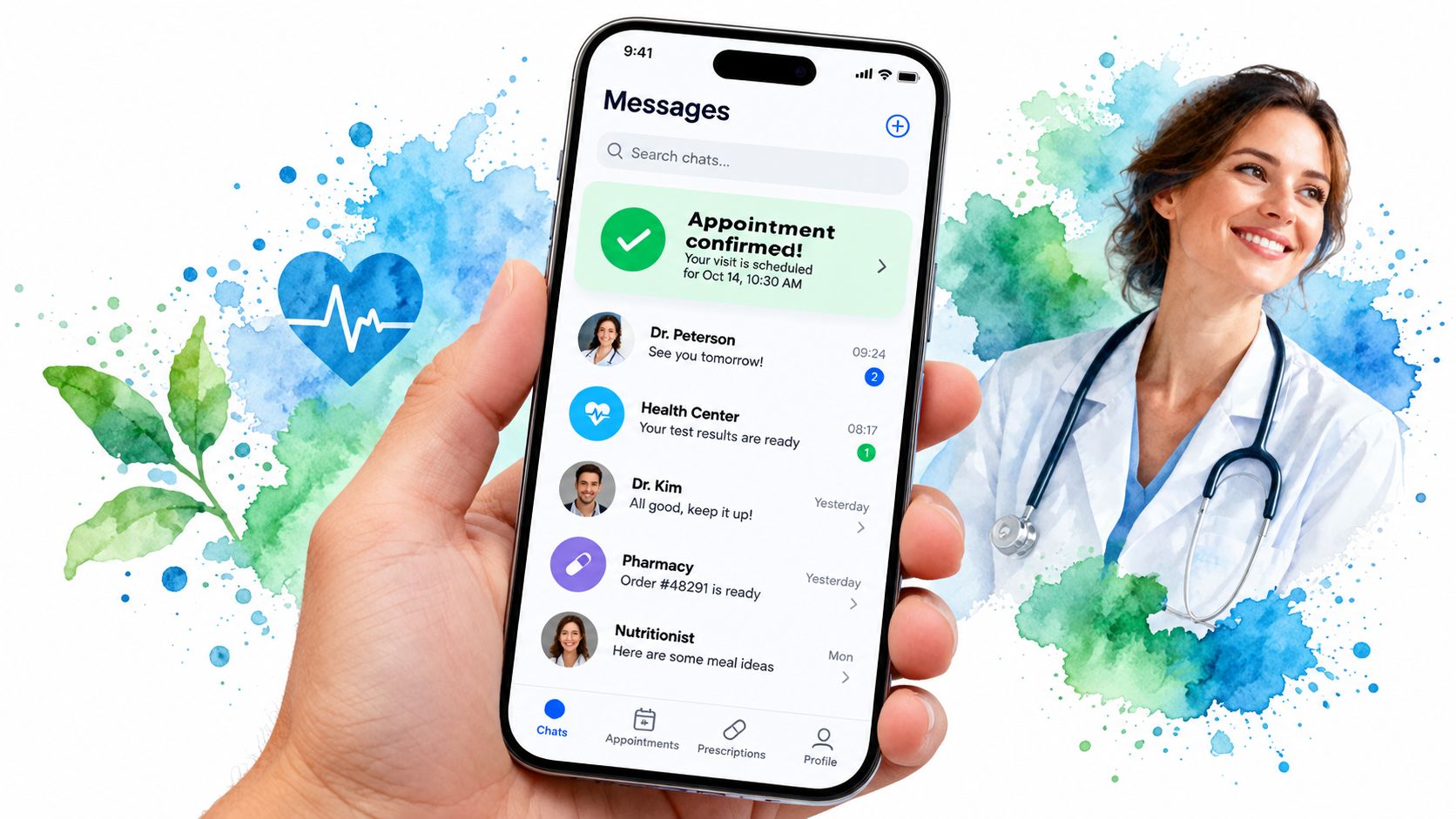
That matters because operational texting solves a different problem than promotional messaging. A marketing text tries to persuade. A medical SMS workflow tries to move a patient through a necessary next step: confirm a visit, complete forms, pick up medication, pay a balance, or acknowledge instructions. When the message is short, time-sensitive, and tied to a task, SMS is often the best channel. Phone calls demand immediate attention and create phone tag; email works better for longer explanations, but it is weaker for urgent coordination. Patient portals are important, yet many practices still struggle to get patients to log in at the right moment.
The evidence for reminders is stronger than the usual vendor talking points. A systematic review covering 7 studies and 5,841 participants found that mobile text reminders improved appointment attendance versus no reminders, with a risk ratio of 1.14 systematic review. The same review also noted broader evidence that mobile messaging improved outcomes across multiple use cases. More recent preference data points in the same direction: a 2026 healthcare communication report found that 90% of respondents preferred to receive healthcare communication by text, compared with 59% for email, 55% for patient portals, and 34% for phone calls 2026 patient communication report.
For clinics, the practical payoff is operational. Better attendance means fewer idle provider slots. Faster confirmations mean easier waitlist management. Shorter back-and-forth on routine questions means less front-desk call volume. That is why SMS has become part of the administrative efficiency conversation as much as the patient-experience conversation; this expert guide from SendItFax is useful background on the broader cost issue, and many practices begin by reviewing automated text message reminders before building their workflow.
I judge healthcare texting tools less by their feature list than by whether they remove work from staff without creating new compliance risk. In real practice operations, that tradeoff is what separates a helpful workflow from a liability.
This guide evaluates platforms and workflows against four criteria: compliance, workflow fit, patient experience, and reporting. That framework matters because healthcare texting software can look similar in a demo while behaving very differently in day-to-day practice.
Compliance means more than a HIPAA badge on a pricing page. A credible vendor should offer a Business Associate Agreement, clear access controls, audit logs, retention controls, and documented opt-out handling. If those basics are vague, the product is not ready for PHI-bearing workflows.
Workflow fit asks whether the system reduces staff effort. The key checks are whether appointment data syncs from the EHR or scheduling system, whether two-way replies route to the right team, and whether common tasks like cancellations, recalls, and billing reminders can be automated without custom engineering.
Patient experience focuses on whether the messages are easy to understand and easy to act on. The best systems make confirming, rescheduling, paying, or asking a simple question feel easier than calling the office.
Reporting matters because a practice needs proof of delivery, opt-out logs, usage history, and enough message-level visibility to troubleshoot operational issues. I put extra weight on delivery reporting and reply routing because those are usually where real-world deployments succeed or fail.
SMS in healthcare is the use of text messaging to support patient communication and clinic operations. It can include one-way alerts such as appointment reminders or pickup notices, and it can also include two-way exchanges where patients confirm visits, ask basic questions, or respond to instructions.
In everyday usage, people refer to this with several overlapping labels: health care SMS, healthcare SMS, medical SMS, health SMS, and clinic texting. The terminology shifts, but the core idea is the same: using text messaging for healthcare-related communication in a way that fits the speed of patient life and the compliance requirements of medical practice.
The important distinction is between ordinary SMS as a transport method and a healthcare-ready messaging program as an operational system. A true healthcare texting setup includes consent management, template controls, routing logic, opt-out handling, and safeguards for protected health information. That is what turns simple texting into something a clinic can rely on.
The value of texting becomes clear when it maps to actual clinic workflows. The strongest implementations are not generic blasts. They are narrow, repeatable processes with a clear goal, a clear next step, and tight rules around what data belongs in the message.
The goal here is simple: reduce no-shows and make the schedule easier to manage. A compliant reminder usually includes the practice name, appointment date and time, location if needed, and a clear action such as confirming or requesting a callback. It should not include diagnosis details, treatment details, or anything unnecessary to identify the visit.
A common workflow is a reminder 48 hours before the appointment, followed by a same-day reminder for unconfirmed visits. If the patient replies to confirm, the slot stays protected. If the patient needs to change plans, staff can intervene early enough to offer the slot to someone else. The evidence base is solid: text reminders improve attendance in clinical settings systematic review.
For staff, the improvement is less glamorous but more important: fewer voicemail loops, fewer manual reminder calls, and better visibility into which visits are still at risk.
Many practices now use SMS before the visit to nudge patients to complete registration, insurance verification, consent forms, or pre-visit questionnaires. The objective is not just convenience; it is reducing bottlenecks at check-in and preventing incomplete information from slowing the visit.
The safer pattern is to text a neutral prompt with a secure link rather than putting sensitive details in the body of the message. For example, the message can direct the patient to complete forms before arrival, but the medical history itself should stay inside the secure form or portal.
In my view, this is one of the most impactful workflows for smaller clinics because the front desk feels the benefit immediately. Even a modest increase in pre-visit completion can shorten check-in lines and reduce rushed data entry.
Prescription-related messaging works best when the message is narrowly operational: a refill has been processed, a medication is ready for pickup, or the patient needs to contact the office about renewal timing. The point is to move the patient to the next step, not to place a full clinical discussion in a text thread.
This use case matters because adherence and follow-up are where small patient actions can produce outsized outcomes. A 2025 study found that patients who interacted with SMS nudges had 19% higher odds of filling prescriptions overall and 6% lower odds of being readmitted to hospital than patients who did not interact with the nudges digital health study.
The data to avoid in ordinary text is anything that overexposes a condition, treatment plan, or other PHI beyond what is necessary. The data to include is the minimum needed to prompt the next action.
A post-visit text can support recovery, reinforce next steps, and give the patient a low-friction path to respond. The message may ask the patient to confirm they received instructions, report whether symptoms are improving, or contact the office if something changes.
This workflow should be tightly scoped. SMS is useful for short status checks and reminders, but detailed symptom review, diagnosis discussion, or medication adjustment belongs in a secure channel or a phone conversation. The operational gain is that practices can standardize follow-up touchpoints instead of relying on ad hoc callbacks.
I tend to rate this workflow highly when reply routing is strong. If a patient response disappears into a generic inbox, the workflow creates more risk than value.
Texting is also effective for recalls tied to annual wellness visits, screenings, vaccinations, and other recurring preventive services. The objective is to surface the due service and make scheduling feel immediate rather than optional.
A compliant recall text should focus on the action needed, not on disclosing unnecessary health detail. “You are due to schedule” is usually safer than naming a sensitive service in the message body when that specificity is not required.
For practices trying to close care gaps, this workflow is often easier to sustain than phone outreach because automation can run continuously in the background.
Billing messages work when they are clear, neutral, and easy to complete. A good text can notify a patient that a balance is ready to review and provide a secure payment link. It should avoid overloading the message with billing detail or insurance information that does not need to sit in a standard SMS thread.
The staff benefit is straightforward: fewer mailed statements, faster follow-up, and less time spent chasing small balances by phone. The patient benefit is the ability to act quickly from a device they already use all day.
Broadcast texting is useful when a clinic needs to tell many patients something time-sensitive: weather closures, provider schedule disruptions, vaccine availability, or temporary service changes. In these cases, the message is less about conversation and more about rapid distribution.
The operational constraint is segmentation. The best systems let a practice target only the affected location, provider schedule, or patient group. That prevents overmessaging and reduces confusion.
Smaller practices often start with reminders because they are easy to justify, but the larger operational win is usually call reduction. Text confirmations cut repetitive inbound calls about visit status. Waitlist texts help fill cancellations without staff manually dialing down a list. Two-way routing lets basic replies reach scheduling or billing without tying up clinical staff.
Multi-location clinics get an additional benefit when the platform can route replies by site or provider group. Without that routing logic, the office spends time re-sorting conversations that should have been handled automatically.
The idea of instantly connecting with patients through text is exciting, but it comes with a huge responsibility: protecting their privacy. For any U.S. healthcare provider, that means getting comfortable with the Health Insurance Portability and Accountability Act (HIPAA). It sounds intimidating, but getting compliance right is completely doable once you know the rules of the road.
The most important distinction is this: standard SMS, secure messaging, and patient portal messaging are not the same thing. Ordinary SMS travels over carrier networks and is not designed for the privacy controls healthcare organizations need. Secure messaging platforms add controls such as authentication, encryption, access restrictions, and auditability. Patient portals add another layer by keeping the actual message content inside a secured environment tied to the patient record.
That is why ordinary texting creates risk when protected health information is involved. PHI is not limited to a diagnosis. In practice, it can include a patient name connected to an appointment with a specialist, a medication refill notice that reveals treatment, test-result context, insurance or billing details, or any information that identifies the patient in connection with care.
Consent helps with permission, but it does not make insecure texting compliant on its own. A patient can agree to receive texts, and a practice may still create unnecessary exposure if the message contains sensitive data in an ordinary SMS thread. That is a common point of confusion, and it is one reason healthcare organizations use secure workflows rather than relying on informal texting habits. The U.S. Department of Health and Human Services explains the need for safeguards around electronic protected health information in its Security Rule guidance, and its privacy guidance on texting and email is useful context when designing patient communications.
Texting PHI could include:
Because standard SMS isn't encrypted, sending this kind of info from a personal phone or a basic app is a direct HIPAA risk. A compliant program limits what is sent in plain text and uses protected systems when more detail is necessary.
To build that secure digital room for your healthcare SMS, you need a platform with specific safeguards. These aren't just nice-to-haves.
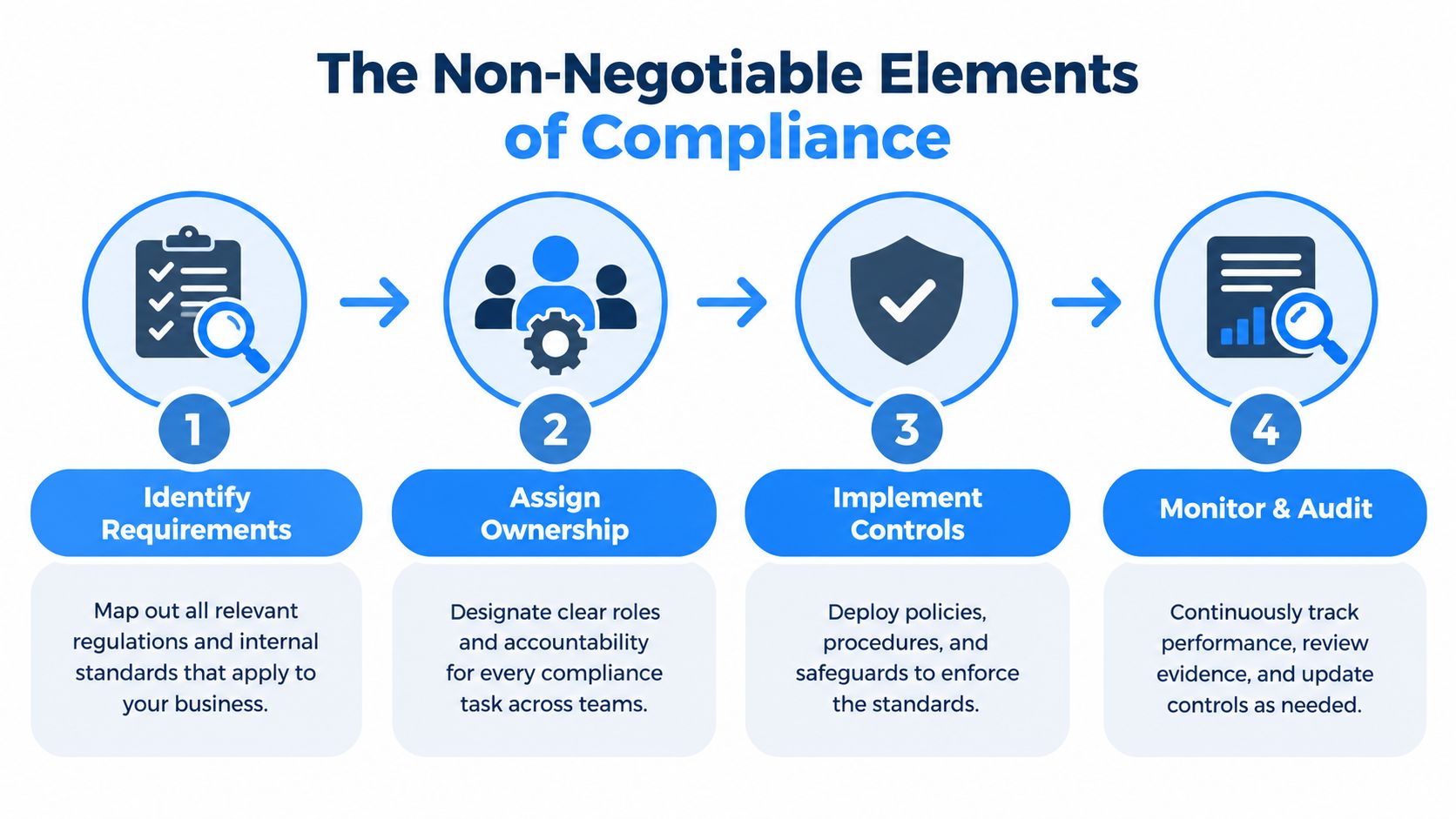
A cornerstone of HIPAA compliance is having a clear and detailed privacy policy that spells out exactly how patient data is handled, including texts. You can see just how thorough these need to be in this example of a comprehensive privacy policy. It’s this level of detail that builds the foundation for trust and security.
The diagram below shows how different secure messages—from reminders to billing—all fit into a compliant patient communication strategy.
A safer reminder might read: “This is Oakview Medical. You have an appointment tomorrow at 2:00 PM. Reply C to confirm or call us to reschedule.”
An overexposed version would read: “This is Oakview Oncology. Your chemotherapy follow-up with Dr. Smith is tomorrow at 2:00 PM. Reply if your nausea has worsened.”
The second version reveals more than the workflow requires. In healthcare texting, the minimum necessary principle is practical, not theoretical.
Before you send a single text, you need the patient's clear permission. Consent language should say what kinds of messages the patient may receive, how often messaging may occur, and how they can opt out. The Federal Communications Commission provides baseline TCPA context in its consumer guide to unwanted calls and texts, which is helpful when building compliant opt-in and opt-out processes.
Your SMS provider isn't just a software vendor; under HIPAA, they're a business associate. This means any third party that handles PHI for you must sign a Business Associate Agreement (BAA). A BAA is a legally binding contract that holds the vendor to the same strict data protection standards you follow.
Never, ever partner with an SMS provider that won’t sign a BAA. It's a massive red flag and an automatic compliance fail.
This agreement ensures your vendor has all the necessary technical safeguards, like audit trails to track who accesses PHI, secure data storage, and strict access controls. If you want to dive deeper, our guide to secure SMS breaks down these technical requirements. Picking a partner who gets this and puts security first is the single most important decision you'll make when setting up a compliant texting program.
Knowing you can text patients is one thing. Knowing what to say is a whole different ballgame.
The difference between a message that gets results and one that gets ignored comes down to a few key principles. Effective healthcare SMS isn't just about blasting out information; it's about starting a clear, helpful, and respectful conversation.
Think of each text as a micro-interaction that builds trust. It needs to be instantly understandable, get straight to the point, and give the patient an obvious next step. Every word counts when you've only got a few hundred characters.
A great patient message is simple: clear, concise, and contextual. Your patients are busy, so your texts have to be scannable and easy to act on right away. If a message is vague or confusing, it will be ignored.
Here are the essential ingredients for every text:
Having a library of pre-approved templates is a lifesaver. It saves time, keeps your messaging consistent, and you can use placeholders to automatically pop in patient names, appointment times, and other details.
Appointment Confirmation:
'Hi [Patient Name], this is a reminder of your appointment with Dr. Smith at Oakview Medical on [Date] at [Time]. Please reply C to confirm or call us at [Phone Number] to reschedule. Reply STOP to opt-out.'
Prescription Refill Reminder:
'Oakview Pharmacy: Hi [Patient Name], your prescription for [Medication] is ready for pickup. Our hours are [Hours]. Please call us with any questions. Reply STOP to end.'
Post-Discharge Follow-Up:
'Hi [Patient Name], this is Nurse Carol from Oakview Medical checking in after your procedure. How are you feeling today? Please remember to [Key Instruction]. Call us if you experience any issues.'
One-way alerts are useful, for sure. But enabling two-way texting is where much of the magic happens. It lets patients ask simple questions, confirm details, or reschedule appointments without picking up the phone. That level of convenience is a massive win for patient satisfaction.
And the data backs this up, big time. Healthcare SMS messages boast a 98% open rate and a 45% response rate. Compare that to email, which limps along with a 20% open rate and a 6% response rate. It's not even close.
Even better, one study found that 95.5% of patients felt more connected to their providers after getting text messages. That's how you build loyalty and improve outcomes. You can dig into more of these operational benefits by reviewing the analysis of over 3,000 patient messages.
A simple 'Reply YES to confirm' text does more than just fill a calendar slot. It actively involves the patient in their own care, slashes the administrative load on your staff, and strengthens the patient-provider relationship with every single interaction.
Ultimately, crafting messages that work is about empathy and efficiency. Put yourself in your patients' shoes. Deliver clear, timely, and actionable information, and you’ll create a communication system that leads to better health and a smoother-running practice.
While healthcare SMS is a champ for quick, scannable updates, some conversations just need a more personal touch. When a simple text message won't cut it, ringless voicemail slides in as a powerful, non-intrusive alternative. This clever tech drops a pre-recorded audio message straight into a patient's voicemail, all without their phone ever ringing.
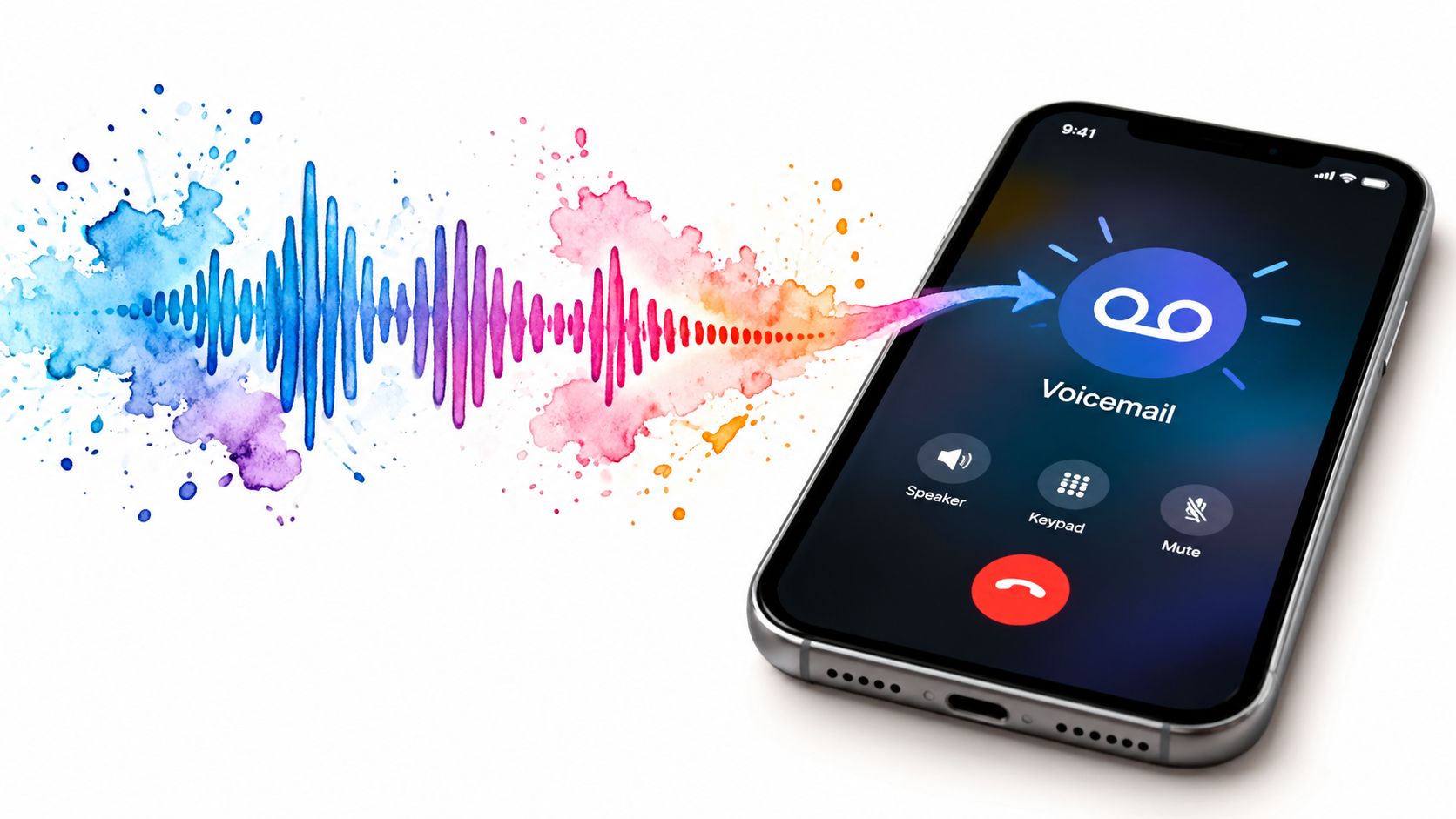
It's the perfect middle ground. You get to avoid interrupting a patient's day with an unexpected call, but you can still convey warmth, detail, and empathy through the sound of a human voice. Think of it as bridging the gap between a short text and a full-blown phone call.
Ringless voicemail really shines when you need to share information that's too complex or clunky for a text. It helps you maintain that personal connection while respecting your patient's time and attention.
It's a great fit for situations like these:
Magic happens when you pair a ringless voicemail with a follow-up SMS. This one-two punch ensures your message is not only heard but also seen, creating a solid communication loop that gets patients to act.
For instance, after you drop a detailed voicemail about pre-surgery prep, you could immediately send a text that says:
'Hi [Patient Name], Dr. Allen just left you a voicemail with important details about your upcoming procedure. Please listen to it at your earliest convenience and call us with any questions.'
This simple text guarantees the patient knows to check their voicemail, reinforces that the message is important, and gives them an easy way to get in touch. If you're curious about the nuts and bolts of setting this up, our getting started guide for ringless voicemail has some great practical tips.
Beyond simple texts, voice-based tools are definitely on the rise in healthcare. By thoughtfully mixing SMS and voice, practices can build a much more resilient and patient-friendly outreach system.
Picking the right technology partner is a huge decision. It’s going to shape how you talk to your patients for years to come. With so many platforms out there, it’s easy to get distracted by flashy features. What you really need is a practical evaluation process.
Start here. Ask the vendor for a BAA before you get deep into the demo. Confirm that the product supports access controls, audit logs, message retention settings, and documented opt-out handling. Review how they handle user permissions and whether they can separate admin, billing, scheduling, and clinical roles.
To verify the claim, ask them to show the actual controls in the interface, not just mention them in a sales call. I put more weight on this live verification than on any security one-pager.
A texting platform should match the way a practice already works. Check whether appointment data syncs from the EHR or scheduler, whether reminders can be triggered automatically, and whether replies can be routed to the correct team. If the office has multiple locations, test whether a patient response lands with the right site.
This is also where you evaluate whether the vendor is really an SMS provider for healthcare or just a generic business messaging tool with medical branding layered on top.
Patients should not have to decode what a text means or guess how to respond. Test sample workflows for confirming an appointment, rescheduling, paying a bill, and replying with a question. Look for clear sender identification, simple instructions, and a predictable experience across message types.
A practice should also verify how the system handles opt-outs, wrong numbers, and after-hours replies. Those edge cases affect patient trust more than glossy templates do.
Reporting should answer four basic questions: Was the message sent, was it delivered, did the patient respond, and what happened next? That includes delivery status, reply logs, opt-out records, and enough historical data to audit campaigns or investigate complaints.
Some disqualifiers are immediate: no BAA, no audit trail, no visible consent workflow, unclear data retention, or vague answers about where messages are stored. If a vendor cannot explain how replies are routed or how opt-out logs are preserved, that is another warning sign.
My strongest editorial bias here is simple: workflow reliability beats feature breadth. A platform that nails reminders, routing, permissions, and reporting is more valuable to a clinic than one with a dozen extras staff will never trust enough to use.
The whole healthcare Application to Person (A2P) SMS market is expanding as telemedicine, patient expectations, and privacy requirements push practices toward more structured messaging programs. You can learn more about the growth of the healthcare SMS market and what it means for you. Making the right choice now sets your practice up for success in the future of patient communication.
When practices start thinking about new ways to talk to patients, a few questions always pop up. Getting straight answers is the only way to move forward and feel good about the decision. Let's tackle the big ones we hear all the time.
Absolutely, but there's a huge catch: you have to use a platform built specifically for secure healthcare communication. Your personal phone's regular text messaging app? Not even close to compliant. It’s missing the encryption, audit trails, and security controls that HIPAA demands.
A true HIPAA-compliant vendor gives you a secure bubble for all your messages. They will sign a Business Associate Agreement (BAA). This is a legally binding contract that holds them responsible for protecting the Patient Health Information (PHI) that runs through their system. It is proof that every text is tracked, secure, and up to federal privacy standards.
Getting what’s called 'express written consent' is mandatory before you send a single health-related text. The good news is this can be done digitally and should be built into your patient intake process.
The best way to handle this is with a clear, separate checkbox on your intake forms, whether they're on a tablet or paper. The wording needs to be direct, stating the patient agrees to get texts for appointments, health updates, and even billing. You also have to give them an easy way out, like letting them reply 'STOP' to any message to opt out immediately.
Think of one-way SMS as a simple announcement. It's like sending out an appointment reminder that a patient can see but can't reply to. It's a decent notification tool, but that's where its usefulness ends.
Two-way SMS, on the other hand, starts a conversation. It’s what lets a patient text back 'CONFIRM' for an appointment, ask a quick question, or even ask to reschedule right from their phone.
This is the game-changer. That back-and-forth turns texting from a passive alert into a real engagement tool. It boosts how much patients participate, cuts down on the phone tag your staff has to play, and just creates a better, more modern experience for everyone.
Ringless voicemail is a great partner tool to SMS. It lets you drop a pre-recorded audio message right into a patient's voicemail without making their phone ring.
It's perfect for those longer, more detailed messages that just won't fit in a text. Things like complex instructions before a procedure or a personal check-in from a care manager. When you pair a ringless voicemail with a quick follow-up text, you make sure your important information is both heard and seen.
Ready to transform your patient communication with secure, compliant messaging? Call Loop provides a powerful platform for SMS, voice, and ringless voicemail designed for modern healthcare practices. Start connecting with your patients more effectively today.
| Use Case | Patient Benefit | Provider Benefit |
|---|---|---|
| Appointment Reminders | Get convenient reminders that prevent the stress of a forgotten appointment. | See drastically reduced no-show rates and a more predictable, efficient schedule. |
| Medication Adherence | Build consistent health habits that lead to better personal outcomes. | Achieve better patient compliance, making treatment plans far more effective. |
| Post-Discharge Care | Feel supported and cared for even after leaving the facility. | Identify potential complications early, leading to fewer costly readmissions. |
| Billing Notifications | Receive simple, discreet payment reminders and have easy ways to pay. | Enjoy faster payment cycles and significantly lower administrative costs. |
Chris Brisson
Chris is the co-founder and CEO at Call Loop. He is focused on marketing automation, growth hacker strategies, and creating duplicatable systems for growing a remote and bootstrapped company. Chat with him on X at @chrisbrisson


Trusted by over 45,000 people, organizations, and businesses like


