
See a Demo
You're just one step away from seeing Call Loop in action.
Enter your information below to watch a demo right now.

You're just one step away from seeing Call Loop in action.
Enter your information below to watch a demo right now.

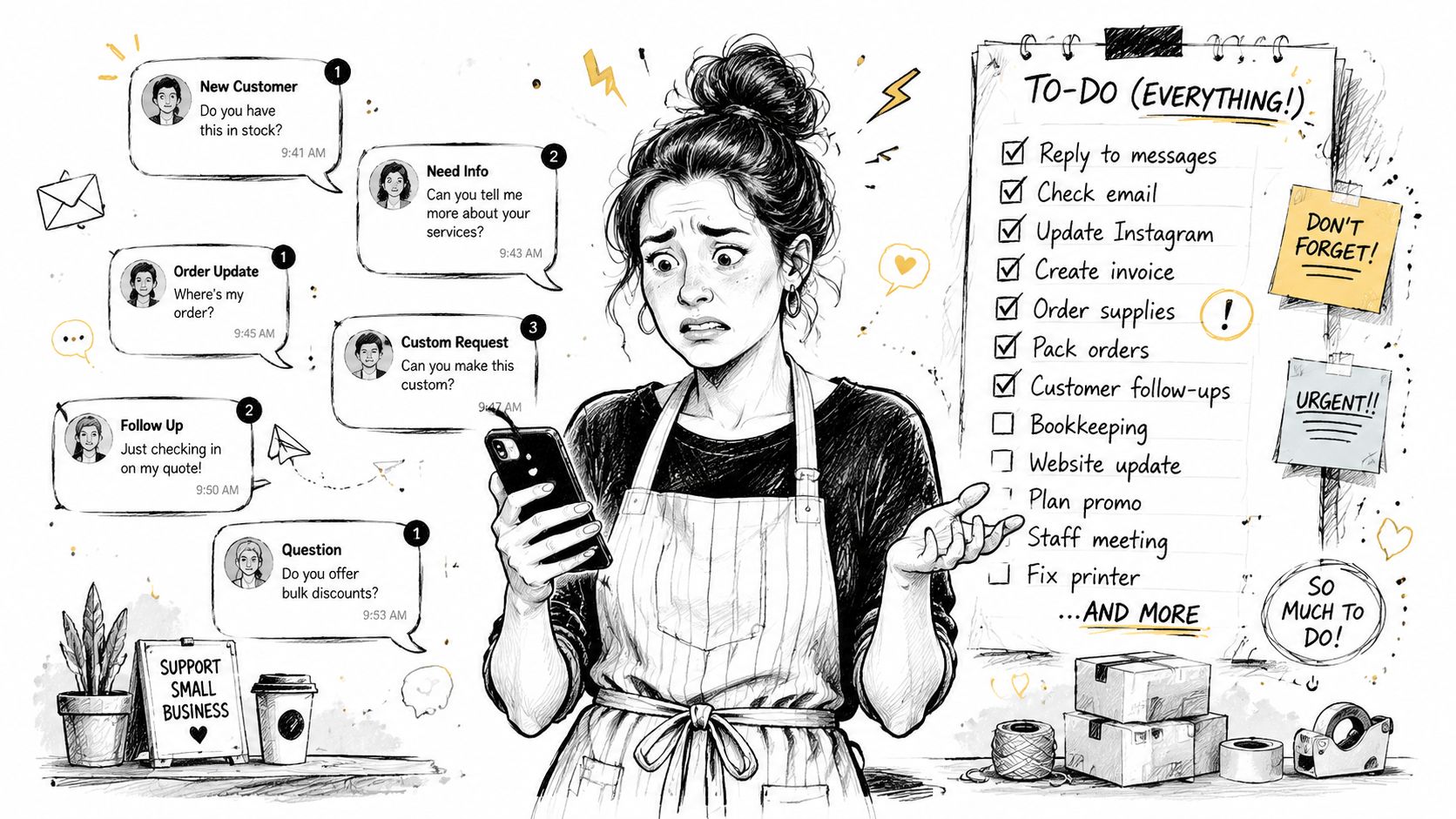
If you're trying to manage customer texts from a personal phone, the cracks show fast. Replies come in after hours. Staff members don't know who answered what. Promotions, reminders, and one-off customer questions all land in the same thread, and suddenly texting feels less like a useful channel and more like a mess.
That's usually the point where businesses start looking for a better way to send SMS from a virtual number. The shift isn't only about convenience. It's about using a real business messaging workflow with a stable sender identity, cleaner routing, reply handling, and the compliance steps that keep messages from failing before they ever reach a customer.
A common starting point looks like this. A gym owner uses their own cell phone for class reminders. A karate studio lets the front desk text students from whichever phone is handy. A service company sends appointment updates from a manager's line, then scrambles when customers reply to old threads no one is monitoring.
That setup works until volume increases. Then the same issues show up every time: no shared visibility, no consistent brand identity, no clean handoff between team members, and no separation between personal and business communication.
A virtual number fixes the operational side first. Instead of texting from an employee's phone, the business sends from a dedicated number tied to a platform. Customers see one recognizable sender. Replies go back into a managed workflow. The business keeps control even if staff changes.
Three improvements usually matter most:
The channel itself is hard to ignore. By 2025 to 2026, one industry compilation reports that about 5 billion people worldwide send and receive text messages, equal to roughly 65% of the global population. The same compilation says the average person sends about 13 SMS messages per day, which is why SMS remains familiar rather than novel for most audiences (global SMS usage statistics).
Practical rule: Don't treat SMS like an add-on. Treat it like a core customer communication channel with its own number, workflow, and owner.
It tends to matter most in businesses that send recurring updates:
When people ask whether they should send SMS from a virtual number, the key question is whether they want texting to remain informal and fragile, or become something the team can operate at scale.
The number type matters more than most first-time senders expect. If you choose the wrong one, you can end up with approval delays, reply problems, or a sender experience that doesn't match how customers expect to interact with your business.
SMS deserves that level of attention because the channel gets seen. Recent compiled statistics for 2025 to 2026 report 90% to 98% open rates, with roughly 90% of messages read within three minutes (SMS visibility and read-rate data). If messages are that visible, the number behind them has to fit the use case.
| Number Type | Best For | Messaging Volume | Setup Process |
|---|---|---|---|
| 10DLC local number | Local businesses, appointment reminders, community-based outreach, two-way texting | Moderate ongoing business messaging | Requires business registration and campaign setup in the U.S. |
| Toll-free number | Broader business outreach, support, notifications, national presence | Moderate to high business messaging | Provision number, complete required verification, test sending and replies |
| Short code | High-volume programs with a dedicated messaging use case | High-scale sending | More complex approval and setup, typically used by larger programs |
A local service business usually starts with a 10DLC local number because it feels familiar to recipients and supports conversational messaging well. If you're a karate studio, dental office, or regional contractor, local presence often helps customers feel they're texting a real business line instead of a broadcast-only number.
A toll-free number fits teams that want one business identity across a wider area. That can work well for multi-location organizations, agencies handling campaigns for clients, or ecommerce brands that don't need to look neighborhood-specific.
A short code is usually a later-stage decision. It's built for programs with heavier messaging needs and a more formal setup path.
If you're still sorting out terminology, this overview of what a DID number is helps clarify how business phone numbers work in messaging setups.
Pick the number that matches how customers will use it, not just the number that seems easiest to buy.
Once you've chosen a number type, the main work starts. Provisioning is the easy part. Configuring it correctly is what determines whether your first campaign feels smooth or chaotic.
A dedicated virtual number belongs to one account and is intended to preserve a stable sender identity for two-way messaging. One of the most common technical mistakes is using a number that can receive messages or verification codes but isn't intended for outbound messaging, so you need to verify the number type and message direction before launch (dedicated virtual number guidance).
Inside a messaging platform, start by selecting the number type that matches your actual use case. Don't choose based on price alone. Choose based on where your audience is, whether you need two-way messaging, and whether the number can legally and technically support the traffic you plan to send.
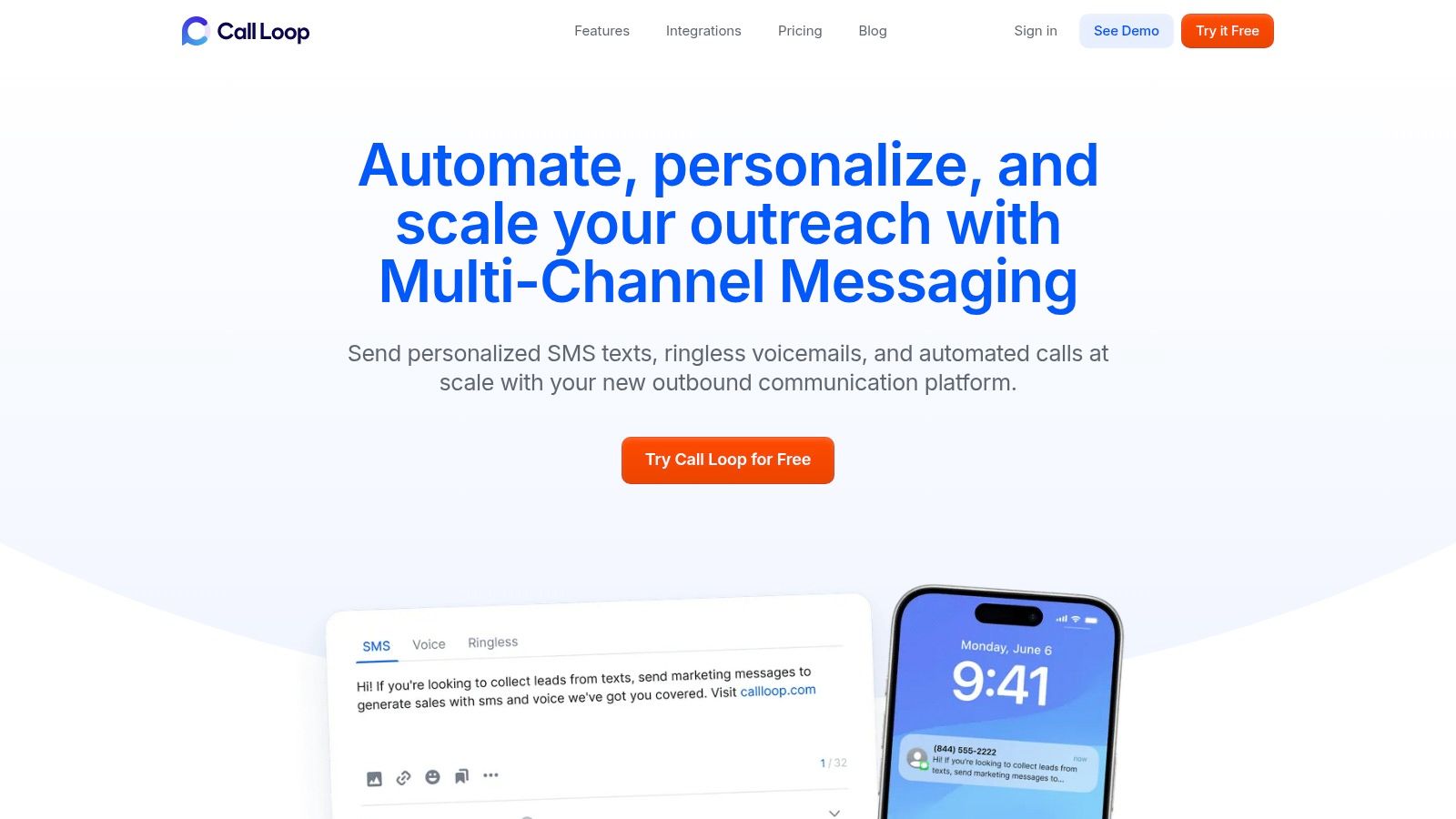
For businesses evaluating tools, Call Loop's SMS text messaging platform is one example of a system that supports dedicated business messaging workflows with virtual numbers.
Many initial campaigns often fail because businesses focus on sending and forget to design what happens after the customer replies.
Set up these basics before you launch:
A stable sender identity matters because customers remember threads, not just individual messages. If they receive a reminder from one number and a follow-up from another, trust drops and context disappears.
Don't stop at sending yourself one test message. Run a full path check.
A virtual number isn't ready when it sends one message successfully. It's ready when the entire conversation path works.
That's the difference between just having a number and having a business texting system.
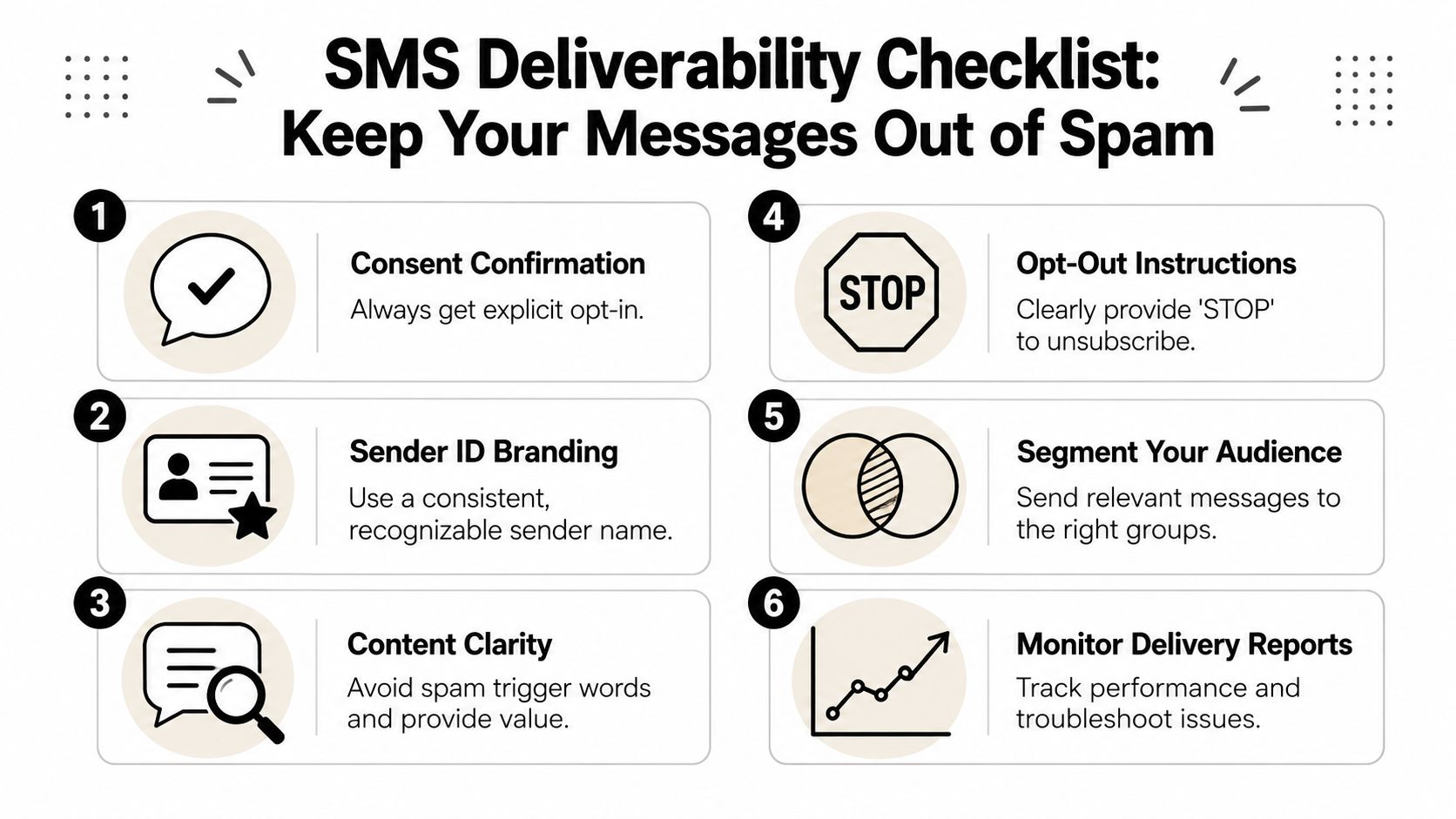
Businesses often assume deliverability is mainly about writing better copy. It isn't. Deliverability starts much earlier, with registration, consent, sender identity, and the message flow you've set up around the campaign.
In the U.S., businesses texting through virtual numbers now face mandatory 10DLC registration before numbers can be issued or used for messaging, and applicants may need a valid EIN to obtain a business virtual number (10DLC registration requirements for business virtual numbers). If that step is incomplete, you can end up troubleshooting "undelivered" messages that were never going to work consistently in the first place.
Compliance isn't only a paperwork issue. It's the operating discipline behind your campaigns.
That usually includes:
If you're working through the U.S. registration side, this guide to 10DLC compliance is a useful operational reference.
Good deliverability usually comes from boring discipline. The teams that do this well don't rely on tricks. They remove friction and ambiguity.
If a customer didn't expect the message, carriers and recipients may react the same way. They both become less trusting.
Deliverability and message quality are connected. Write like a legitimate business having a useful conversation.
Use copy that does three things:
A reminder, for example, should sound like a reminder. A promotion should sound like a promotion. Problems start when businesses blur the two and send vague, aggressive, or context-free texts.
Sending one text at a time is fine when volume is low. Most businesses outgrow that quickly. The next step is building a sequence that matches how customers respond over time.
An event organizer is a good example. A registration confirmation goes out immediately. A reminder text goes out the day before. On the morning of the event, the organizer may want a second touchpoint for people who are likely to miss a text while commuting or getting ready. That's where ringless voicemail can complement SMS.
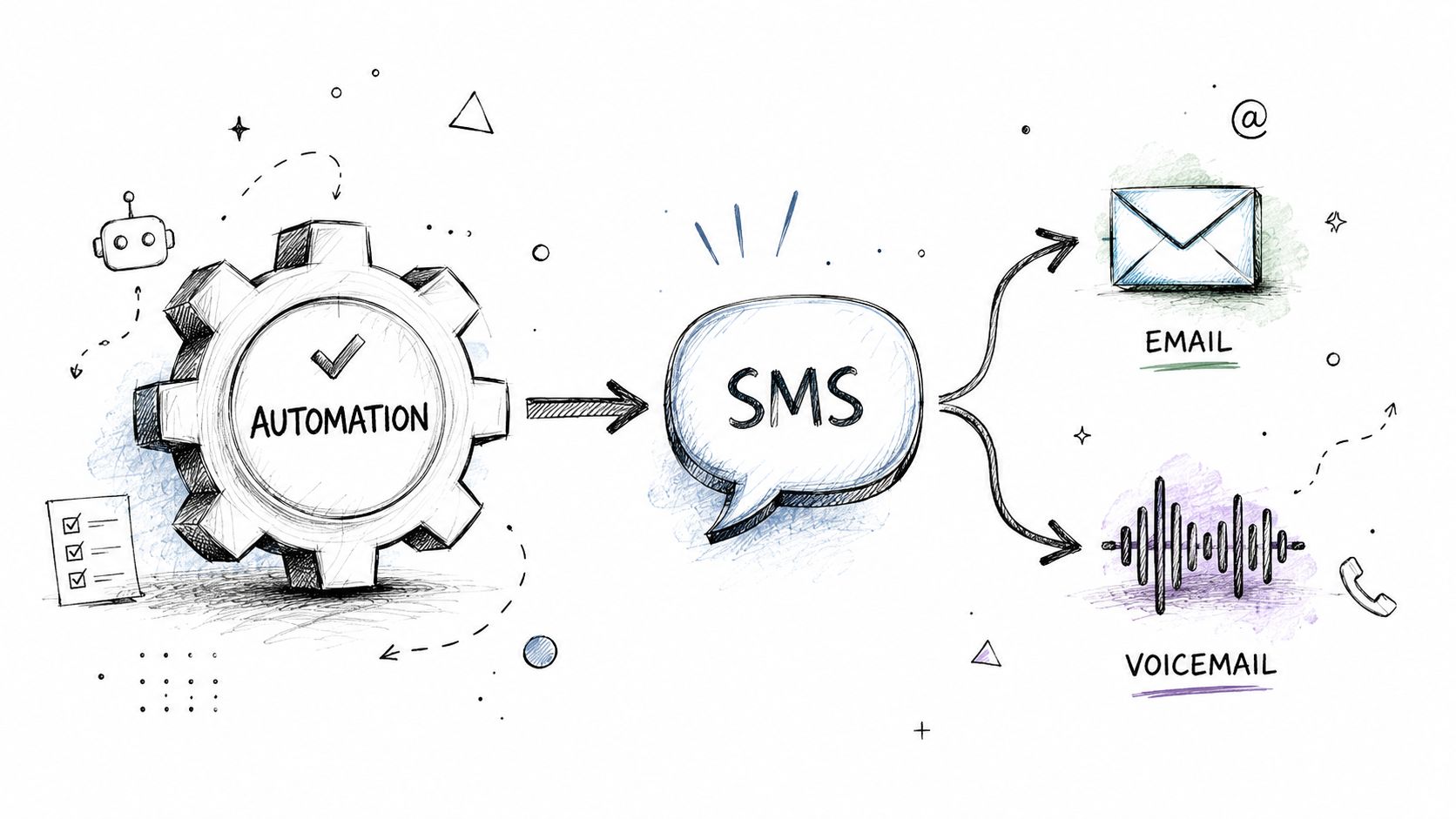
A practical sequence might look like this:
That same pattern works for service appointments, webinars, class attendance, payment reminders, and post-purchase follow-up.
Ringless voicemail isn't a replacement for SMS. It works best when the message needs more nuance or when you want a second channel without forcing a live call.
Good fits include:
If you're building those voice touchpoints, this resource on optimizing customer voicemail communication is useful because it focuses on message structure, tone, and clarity rather than generic scripts.
SMS handles speed well. Voicemail handles tone well. Used together, they can cover different moments in the same customer journey.
Automation makes that manageable. Instead of manually sending each follow-up, you trigger messages based on dates, customer actions, or CRM events. That's when your virtual number stops being just a sending line and becomes part of a real outbound system.
A lot of first-time issues come down to mismatched expectations. The number looks active, the message looks fine, but delivery or reply handling still fails. Usually the problem sits in setup, registration, or number type.
Start with the basics:
If you test, test with real-world conditions. Send to actual devices on the carriers your audience uses. Then verify that replies return through the same workflow you expect customers to use.
Sometimes yes, but you should confirm that with the provider and with the exact number type you're provisioning. Businesses often assume voice support means SMS support, or the reverse. That's where setup surprises happen.
The safer approach is to validate each channel intentionally. Don't assume symmetry between calling, outbound texting, and inbound texting.
Usually no. Many searchers confuse persistent business virtual numbers with disposable reception tools. Those temporary services can expire in as little as 20 minutes, and they aren't the same as a durable sender identity for customer conversations (temporary virtual SMS number example).
That distinction matters for three reasons:
If you're going to send SMS from a virtual number for legitimate outreach, use a persistent business number with proper registration, monitored replies, and a clear messaging purpose.
If you want to set up business texting with a dedicated virtual number and add automation for SMS, voice, or ringless voicemail, Call Loop is one option to evaluate for managing those workflows in a single platform.
Chris Brisson
Chris is the co-founder and CEO at Call Loop. He is focused on marketing automation, growth hacker strategies, and creating duplicatable systems for growing a remote and bootstrapped company. Chat with him on X at @chrisbrisson


Trusted by over 45,000 people, organizations, and businesses like


