
See a Demo
You're just one step away from seeing Call Loop in action.
Enter your information below to watch a demo right now.

You're just one step away from seeing Call Loop in action.
Enter your information below to watch a demo right now.

Are you fluent in the language of modern business communication, or just fluent in consumer chat slang? Most articles about abbreviations for instant messaging stay stuck on LOL, BRB, and IDK. That's fine for social chat, but it doesn't help much when you're running reminders, promotions, support workflows, or regulated outreach.
Business messaging uses a different vocabulary. SMS, MMS, RVM, IVR, DTMF, TCPA, DNC, HIPAA, CTA, and API aren't just definitions to memorize. They shape how teams send messages, route replies, protect data, and avoid expensive mistakes. If you work in healthcare, services, ecommerce, education, or local business marketing, these terms affect daily execution.
That matters even more because shorthand has become a mature communication habit, not a niche one. Public-facing references now track a large shared vocabulary, including business and messaging terms like IM, PM, SMS, MMS, RCS, and ROI in addition to everyday abbreviations, which shows how widely this language has spread across digital communication (SlickText's abbreviations guide). At the same time, not every abbreviation helps. An APA study released in 2024 found that abbreviations such as IDK and GOAT made messages seem less sincere than fully spelled-out text, which is a real concern in customer-facing and high-trust communication (APA on texting abbreviations and sincerity).
So this guide skips the slang glossary approach. It focuses on the abbreviations for instant messaging that matter when you need campaigns to land, responses to happen, and compliance to hold up.
Need a message read quickly, understood instantly, and answered with minimal friction? SMS is usually the first channel to choose.
For business use, SMS is the baseline messaging format. It handles reminders, confirmations, alerts, follow-ups, and simple promotional offers well because the recipient does not have to download anything, learn a new interface, or open a media file first. That simplicity is the advantage.
It also shapes how good business copy gets written. Early texting habits trained people to expect short, direct phrasing, especially on phones with tight character limits and awkward keyboards, a pattern the Encyclopaedia Britannica overview of text messaging helps contextualize. In practice, that means concise copy still works better than padded wording in many customer messaging workflows.
A strong SMS does three jobs fast. It names the sender, states the reason for the message, and asks for one clear action.
Examples:
If you want the channel basics, Call Loop's guide to what SMS messaging is explains the format. If you are comparing plain text with media-based campaigns, this overview of MMS in marketing helps clarify where SMS stays the better fit.
Use SMS for speed and clarity. Use another channel if the message needs images, long explanations, or multiple steps.
The common failure is not brevity. It is missing context.
“Reminder about tomorrow” creates work for the recipient. “Eastside Karate: Your child's class is tomorrow at 5 PM. Reply C to confirm” answers the immediate question and gives a simple next step. That difference affects response rates and support volume.
These habits improve SMS performance:
For professionals running outbound messaging, SMS is more than a definition in an abbreviations list. It is the core channel that every later decision builds on, from MMS creative choices to opt-out handling and compliance.
MMS matters when words alone won't carry the message. If you're launching a seasonal product, promoting an event, or sending a map, a visual often does more work than another sentence ever will.
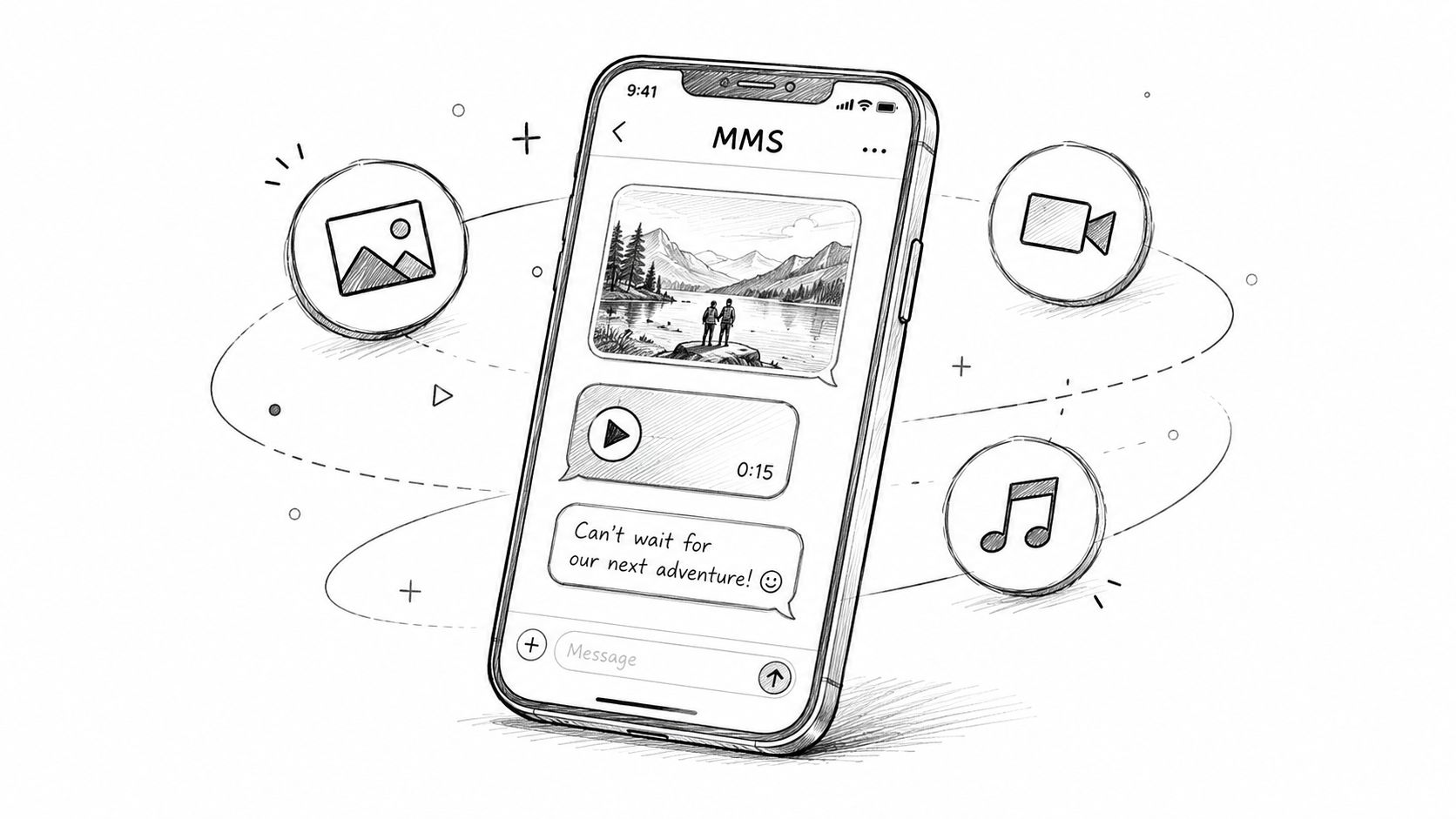
A lot of teams misuse MMS by treating it like an image dump. That usually backfires. The image should support the action, not replace it.
Use MMS when the visual is part of the decision:
Call Loop's overview of MMS in marketing is useful if you're choosing between text-only and media-based campaigns.
Here's the trade-off. MMS feels richer, but it also creates more ways for a campaign to fail. Oversized images, hard-to-read graphics, and text buried inside creative all reduce clarity.
Design for the phone screen, not the desktop preview.
I've seen businesses send beautiful promo graphics with no obvious CTA in the text. Recipients notice the image, then do nothing. The fix is simple: “See new arrivals. Shop now: short link.”
MMS is one of the most useful abbreviations for instant messaging because it signals a channel choice, not just a file type. It tells you when visual communication is worth the extra complexity.
Ringless voicemail sits in an interesting middle ground between text and voice. Instead of starting a live call, it drops a prerecorded message directly into voicemail so the recipient can listen later. For reminders, reactivation campaigns, and follow-up sequences, that can feel less intrusive than a ringing phone.
That's why businesses keep searching for ringless voicemail, ringless voicemail drops, and ringless voicemail marketing as alternatives to standard outbound calling. The format works best when timing matters but immediate conversation doesn't.
RVM is strong when a human voice adds reassurance:
Call Loop explains the mechanics in its guide to ringless voicemail marketing.
Keep ringless voicemail short enough that people hear the point before they decide to delete it.
RVM isn't a replacement for SMS. It's a complement. Voice can carry warmth and urgency better than text, but it's slower to consume and harder to skim.
A good ringless voicemail script usually includes:
What doesn't work is the stiff “important message for resident” style script. It sounds generic, and generic messages get ignored. A natural voice, good audio, and one clean action beat a long script every time.
If you're building outbound campaigns, RVM belongs on the shortlist of abbreviations for instant messaging and adjacent channels that affect conversion and response quality.
IVR is what turns a voice campaign from a broadcast into a system people can interact with. When someone hears “Press 1 to confirm, press 2 to reschedule,” that keypad flow is IVR in action.

In practice, IVR is less about technology and more about friction. Every extra option you add asks the listener to work harder. These menus are frequently overbuilt.
The best business IVR flows are short:
That works for healthcare, home services, sales follow-up, and customer routing. It also works well after a ringless voicemail or voice broadcast, because it gives interested recipients a way to act without waiting for a live rep.
A few habits improve IVR performance fast:
Poor IVR design usually sounds like internal org charts turned into audio. Customers don't care which department owns the issue. They care whether they can confirm, pay, reschedule, or get help.
For teams comparing abbreviations for instant messaging with voice terms, IVR is one of the first places where messaging and telephony meet. It's operational shorthand for automation that still feels responsive when you design it well.
DTMF sounds technical because it is. It's the tone generated when someone presses keys on a phone keypad. In real campaigns, it's what allows “press 1,” “press 2,” and “press 9” actions to register.
Most business users don't need the telecom history. They need to know whether the system can reliably capture intent. That's the practical value of DTMF.
A few common uses:
Those actions sound simple, but they break if the prompt is rushed, unclear, or inconsistent across campaigns. If one campaign uses 1 for confirmation and another uses 1 for a transfer, you create avoidable confusion.
Field note: Keep key assignments stable across campaigns. People don't remember your workflow map. They remember patterns.
DTMF isn't flashy, but it's one of those abbreviations for instant messaging ecosystems that subtly determines whether voice automation feels smooth or clumsy. If your campaigns depend on keypad input, the details matter.
The parameters set by TCPA and DNC determine whether many messaging programs become durable or become risky. TCPA and DNC aren't optional vocabulary. They define the conditions under which outreach is allowed, how opt-outs are handled, and whether your team is running campaigns with discipline.
A lot of popular guides list meanings without helping teams decide how to use abbreviations professionally in customer-facing contexts. That gap is real, especially for SMBs, support teams, and service businesses that need channel-specific judgment rather than another slang glossary (Heymarket's discussion of abbreviation use in professional settings).
TCPA governs consent, disclosures, timing, and restrictions around automated outreach. DNC refers to do-not-call handling, including internal suppression practices and registry awareness.
For daily operations, that usually means:
Compliance failures rarely come from one dramatic decision. They usually come from sloppy list imports, reused templates, or a rushed campaign where someone forgets the opt-out language.
Examples of better practice:
This is one area where abbreviations for instant messaging become legal and operational language. Treat them that way. If a team member doesn't know what TCPA or DNC means in execution, they shouldn't launch outbound campaigns alone.
HIPAA matters anytime a healthcare organization uses messaging that could touch protected health information. That includes SMS reminders, voicemails, and broader patient communication workflows.
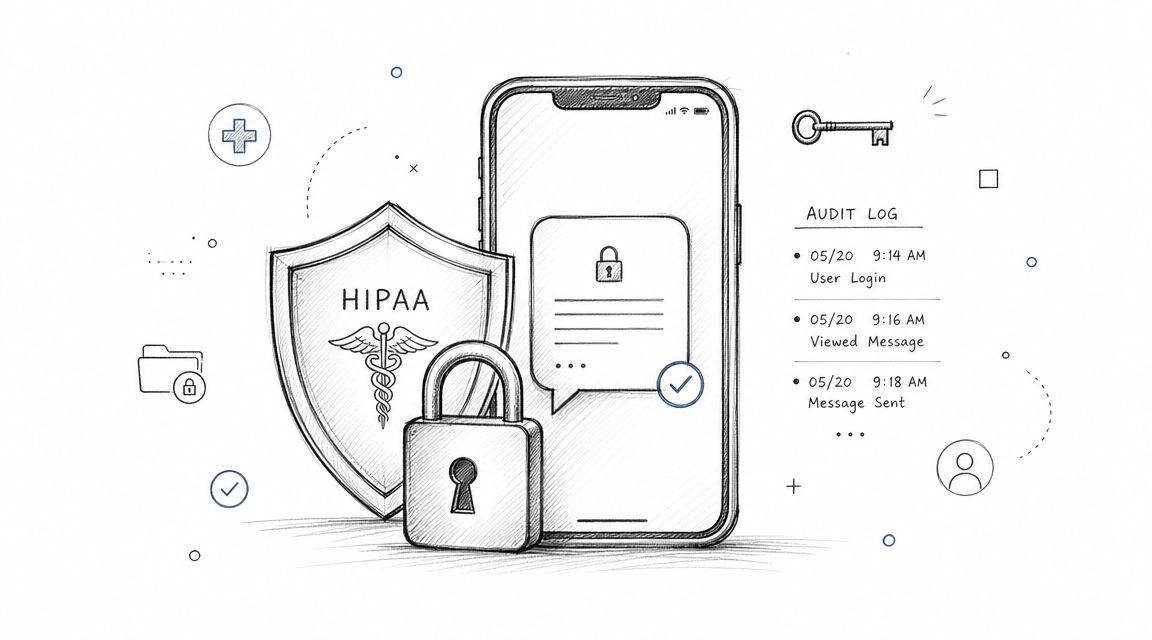
The messaging challenge is simple to describe and easy to get wrong. Patients want convenience. Providers still need privacy.
A compliant reminder often says less, not more:
What you leave out matters. Diagnosis details, medication names, and sensitive clinical context usually don't belong in casual text or voicemail copy.
For a broader look at privacy-conscious outreach, this piece on CartBoss on compliant healthcare messaging is a useful supplemental read.
The business side matters too. Call Loop supports HIPAA-compliant communications, which makes it a practical fit for healthcare teams that need reminders, confirmations, and patient outreach without bolting on separate tools for every channel.
Among abbreviations for instant messaging, HIPAA is one of the clearest examples of why business shorthand can't be treated like internet slang. In healthcare, one acronym changes the rules for everything that follows.
A CTA is the point of the message. Without it, you have an announcement, not a campaign.
This is one of the most overlooked abbreviations for instant messaging because teams assume the desired next step is obvious. It usually isn't. If a text says, “Summer enrollment is open,” some people will read it and move on. If it says, “Reply START to save your spot,” you've made the action unmistakable.
Good CTA formats include:
A strong CTA matches the channel. SMS invites replies or clicks. Voice prompts invite calls or keypad input. Ringless voicemail usually works best with one spoken callback instruction and, if appropriate, an SMS follow-up.
A message can be short and still be complete. If the next step isn't explicit, the message isn't finished.
Compare these:
The CTA should also fit the stakes. For appointment reminders, “Reply Y to confirm” is easier than asking someone to call. For high-value sales follow-up, a call invitation might be stronger than a generic link.
Many business text abbreviation lists highlight CTA as a high-utility operational term alongside VIP, BOGO, ETA, OOS, and DND, which reflects how business messaging shorthand tends to prioritize action, segmentation, and compliance rather than casual slang (Avochato on business text abbreviations).
API is the abbreviation that matters when manual sending stops scaling. It lets your systems talk to each other, so messages trigger from events instead of human memory.
If a customer completes a purchase, the platform can send a confirmation. If an appointment gets created, the system can schedule reminders. If a patient portal updates a status, a secure notification can go out automatically. That's where API use becomes practical, not just technical.
Common workflow examples:
Call Loop's integrations matter here because many teams can start with built-in connectors and Zapier before they commit engineering time to custom development.
A practical sequence might look like this: form submitted, contact enters a list, confirmation text goes out, reminder SMS sends later, and a ringless voicemail follows if the event is time-sensitive. That kind of orchestration is where platforms like Call Loop become more than a sending tool.
API belongs in any serious list of abbreviations for instant messaging because it's the bridge between messaging and the rest of your operations.
CTR tells you whether recipients act on the link in your message. It doesn't tell you everything, but it tells you whether the message created enough interest for a click.
That makes CTR useful for campaigns with links, especially promotions, registrations, confirmations, and resource delivery. A high click count with poor downstream action may still mean your landing page is weak. A low click count often means the message or CTA missed.
Look at the entire path:
Teams often obsess over CTR while sending muddy copy like “See details.” That phrasing creates hesitation. “View your invoice,” “Claim your spot,” or “See today's menu” gives the click a purpose.
CTR is more useful in trend form than as a vanity metric. Compare similar campaigns. Watch how wording, audience, and landing page changes affect the result over time.
If you're running ecommerce or promotional campaigns, the post-click experience matters as much as the text itself. This article with practical tips for online store CTR is about email, but the point carries over well: relevance and landing-page alignment matter more than clever copy alone.
For modern abbreviations for instant messaging, CTR is one of the few that connects language to measurable action. It's not the goal by itself, but it helps you see whether the message earned attention.
| Item | Implementation complexity | Resource requirements | Expected outcomes | Ideal use cases | Key advantages |
|---|---|---|---|---|---|
| SMS - Short Message Service | Low, simple setup and templates; must manage carrier rules | Low cost per message, contact lists, opt-in management | Very high open/response rates and near-instant delivery | Time-sensitive alerts, appointment reminders, bulk promotions | Universal reach, no app needed, highest engagement |
| MMS - Multimedia Messaging Service | Moderate, media handling, carrier size limits, fallbacks | Higher per-message cost, image/video optimization, smartphone audience | Higher engagement and CTR but slower delivery & higher cost | Product showcases, rich promotions, event visuals | Visual content boosts conversions and brand recognition |
| RVM - Ringless Voicemail | Moderate, voicemail drop tech and scheduling; compliance checks | Per-drop billing, professional audio production, legal review | Non-intrusive delivery to voicemail inbox; moderate listen rates | Appointment reminders, patient outreach, busy professionals | Reaches voicemail without ringing; respectful, cost-effective per delivery |
| IVR - Interactive Voice Response | High, designing call flows, prompts, machine detection | Voice recordings/TTS, telephony routing, monitoring & maintenance | Automates routing and data capture; reduces live-agent load | High-volume confirmations, customer service routing, sales qualification | 24/7 self-service, efficient call routing, captures structured input |
| DTMF - Dual-Tone Multi-Frequency | Low, simple tone detection and logging | Basic telephony integration and logging | Fast, reliable keypad input for immediate routing/confirmation | IVR menus, press-1 transfers, simple confirmations | Universal compatibility, low latency, proven reliability |
| Compliance - TCPA & DNC (Do Not Call) | High, continuous scrubbing, consent tracking, legal processes | Legal counsel, DNC databases, audit trails, tooling | Reduced legal risk but smaller addressable audience | Any outbound SMS/voice/RVM in regulated jurisdictions | Protects against fines, automates legal requirements, preserves reputation |
| HIPAA - Health Insurance Portability and Accountability Act | High, encryption, access controls, BAAs, policies | Secure storage/transmission, audit logs, staff training, BAAs | Secure PHI handling and regulatory compliance for healthcare | Healthcare patient communications, appointment & test result notices | Enables compliant healthcare messaging and reduces penalty risk |
| CTA - Call-to-Action | Low, copywriting and tracking integration | Clear copy, short links, tracking parameters, A/B testing | Increased conversions and measurable responses | All campaigns needing user action (confirm, buy, register) | Drives measurable action and improves campaign ROI |
| API - Application Programming Interface | Moderate–High, development, auth, error handling | Developer resources, sandbox testing, monitoring, maintenance | Seamless automation, real-time triggers, scalable messaging | CRM integrations, automated workflows, custom platforms | Programmatic control, scalability, deep integration |
| CTR - Click-Through Rate | Low, tracking setup and analytics | Link shortener, analytics dashboard, optimized landing pages | Quantifies engagement; informs optimization and ROI | Performance analysis, A/B testing, campaign optimization | Measures effectiveness and guides data-driven decisions |
What separates a high-performing messaging program from one that creates confusion, low response rates, or compliance risk? In practice, it comes down to knowing which abbreviations describe a channel, which ones control execution, and which ones set legal limits.
That distinction matters more than slang ever will for business messaging.
SMS and MMS define delivery format. RVM, IVR, and DTMF shape the voice experience and response flow. TCPA, DNC, and HIPAA set the rules your team has to follow before a campaign goes live. CTA, API, and CTR determine whether your outreach drives action, connects to the rest of your stack, and produces usable performance data. For teams running outbound campaigns, these are operating terms, not trivia.
Messaging language also shifts by audience, platform, and context. Internal chat shorthand may be acceptable in a team conversation, but it can weaken clarity in customer outreach. Older abbreviations like FYI and ASAP still show up in business communication, while consumer slang changes constantly, which is why outreach teams should separate durable business terminology from trend-driven phrasing before sending at scale (Fluently on recent internet abbreviations and slang shifts).
The trade-off is simple. Informal language can feel fast and familiar, but regulated or customer-facing messages need precision first.
A support confirmation, healthcare reminder, promotional SMS, and ringless voicemail follow-up should not sound the same. Each one carries different expectations for tone, detail, and compliance review. Teams that treat all messaging as casual texting usually create avoidable problems, such as vague CTAs, weak opt-out language, or inconsistent customer experience across channels.
Call Loop helps solve that operational problem by putting bulk SMS, MMS, voice broadcasting, and ringless voicemail in one system. Teams can schedule sends, segment audiences, personalize content, track responses, and build workflows that account for compliance requirements without stitching together disconnected tools. That setup makes it easier to match the right message format to the right moment.
Strengthening the channels around outbound messaging can also improve response quality. Audience trust and brand familiarity influence how people react to direct outreach, which is why broader visibility strategies like how to grow on LinkedIn can support campaign performance.
Mastering these abbreviations gives teams better control over execution. Messages get clearer. Automation gets cleaner. Compliance mistakes become easier to catch before they become expensive.
If you want to put these abbreviations into action instead of just memorizing them, Call Loop gives you the tools to send SMS, MMS, voice broadcasts, and ringless voicemail from one platform, with the automation, segmentation, tracking, and compliance features businesses need to scale outreach without losing control.
Chris Brisson
Chris is the co-founder and CEO at Call Loop. He is focused on marketing automation, growth hacker strategies, and creating duplicatable systems for growing a remote and bootstrapped company. Chat with him on X at @chrisbrisson


Trusted by over 45,000 people, organizations, and businesses like


