
See a Demo
You're just one step away from seeing Call Loop in action.
Enter your information below to watch a demo right now.

You're just one step away from seeing Call Loop in action.
Enter your information below to watch a demo right now.

Your email open rates have flattened. Sales reps leave voicemails that never get heard. Texting works, until it starts feeling overused or too abrupt for the message you need to send. That’s usually when businesses start looking at ringless voicemail marketing.
Used well, it gives you a direct, personal channel without forcing a live interruption. Used badly, it turns into noise, compliance risk, and wasted spend. The difference comes down to list quality, message quality, timing, and whether your process is built for consent from the start.
Ringless voicemail marketing is a way to place a recorded voice message directly into a recipient’s voicemail inbox without making the phone ring. The easiest way to think about it is this: it’s a voice-first outreach channel that behaves more like inbox delivery than a live phone call.
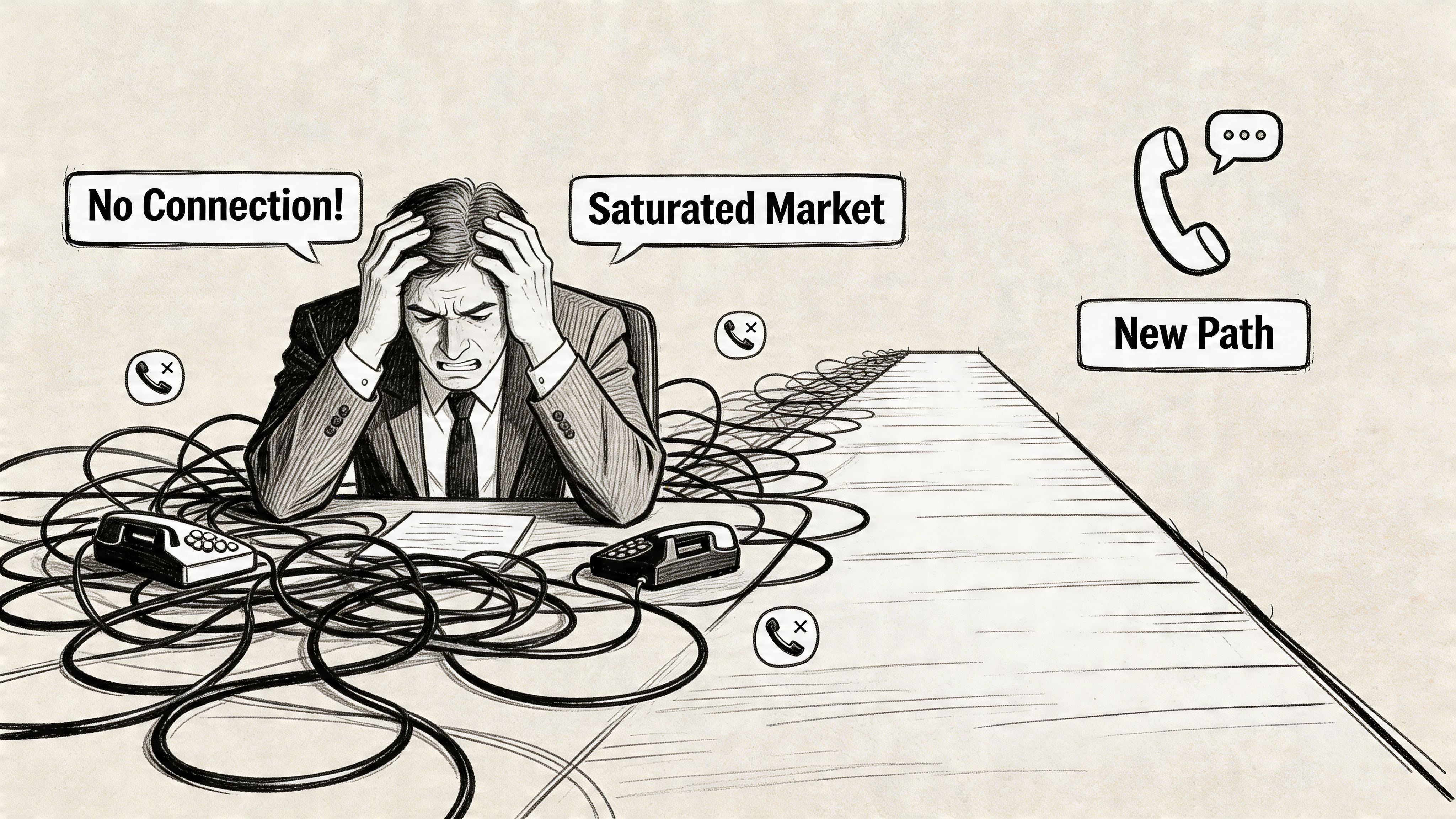
That matters because most outreach channels are crowded. Email competes with overloaded inboxes. Cold calls ask for immediate attention. SMS is fast, but not every message should arrive like a tap on the shoulder. Ringless voicemail sits in a useful middle ground. It lets you deliver tone, urgency, and personality without demanding an instant response.
This isn’t a fringe tactic anymore. The global ringless voicemail platform market was valued at $452 million in 2024 and is projected to reach $1.37 billion by 2033, growing at a 12.6% CAGR. North America holds about 39% market share, and SMEs account for over 55% of new subscriptions according to ringless voicemail platform market data.
That growth tells you something practical. Small and mid-sized businesses aren't adopting ringless voicemail because it sounds interesting. They’re adopting it because they need an outreach method that scales without forcing a sales rep to dial every contact manually.
Ringless voicemail works best when the message benefits from a human voice. Think lead follow-up, event reminders, reactivation, appointment prompts, customer updates, and time-sensitive promotions where tone does real work.
It does not replace every other channel.
Practical rule: Use ringless voicemail when hearing the message adds value. If plain text would do the job better, send a text or email instead.
If you want a basic technical primer before building campaigns, this overview of what ringless voicemail is is a helpful starting point. The bigger point is strategic. Businesses that treat ringless voicemail as one component of a coordinated outreach system usually get far more value than businesses that treat it like a shortcut.
Most people first hear “ringless voicemail” and assume it’s just a robocall that somehow gets muted. It isn’t. The delivery method is different.
Consider a postal worker accessing a community mailbox. They place the message in the box directly. They don’t walk up to the front door and ring the bell. That’s the core idea behind server-to-server delivery.
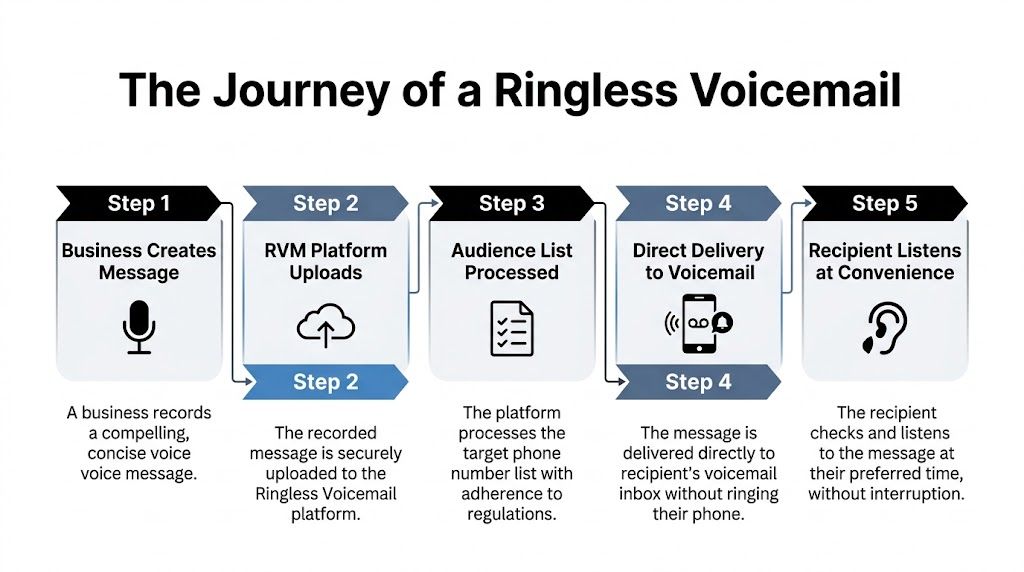
A standard phone call travels through the calling network as a live call attempt. The device rings, the person decides whether to answer, and if they don’t, the call may route to voicemail.
Ringless voicemail takes a different path. The platform processes your audio file and target list, then attempts delivery directly into the voicemail system rather than trying to create a live conversation first. The recipient typically sees the voicemail notification and listens later, on their own time.
That design is the reason ringless voicemail marketing feels less disruptive than cold calling. The person still gets your message, but you’re not forcing a real-time decision.
The benefit isn’t just etiquette. It affects behavior.
According to ringless voicemail benchmark data, ringless voicemail’s non-intrusive delivery produces listen rates of 70%+ for delivered messages and leads to 6% to 12% response rates, compared with cold call pickup rates below 10%. That gap tracks with what practitioners see in the field. People often ignore unknown calls. They’re more willing to review a voicemail when they can do it on their own schedule.
The channel works because it removes the worst part of a cold call: the interruption.
Not every campaign reaches inboxes equally well. Delivery reliability depends on several operational details:
Here’s the operational distinction that matters:
| Approach | Recipient experience | Best use |
|---|---|---|
| Cold call | Phone rings, demands immediate answer | Live sales conversations, urgent direct contact |
| Ringless voicemail | Voicemail appears for later listening | Follow-up, reminders, soft outreach, reactivation |
| Voice broadcast | Automated call reaches device directly | Alerts, broad announcements, simple prompts |
A lot of teams assume the technology is the hard part. It usually isn’t. The hard part is matching the format to the right message.
Ringless voicemail is good at opening the door. It is not good at replacing a full sales conversation. If your offer requires back-and-forth explanation, negotiation, or objection handling, voicemail should trigger the next step, not try to close the whole deal.
Compliance is where many ringless voicemail campaigns either become sustainable or become a liability. You can have a solid script, a clean recording, and a decent audience, but if your consent process is weak, the campaign is fragile from day one.
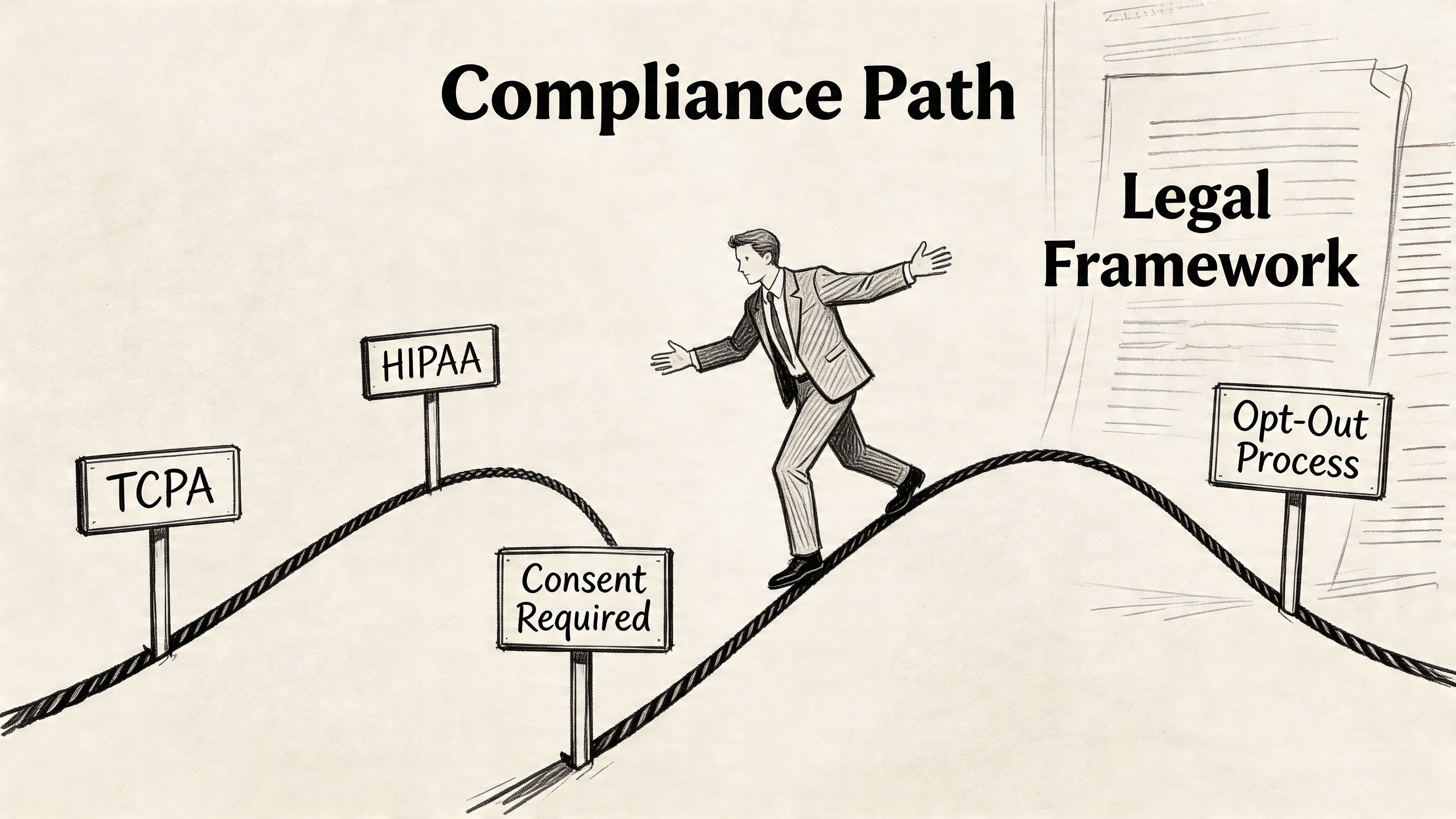
For marketing use, consent should be built into the workflow before you ever upload a list. That means you need a defensible process for how contacts gave permission, how you store that record, and how you suppress people who opt out or shouldn’t be contacted.
A lot of businesses get into trouble because they think “we already have their number” means “we can market to them however we want.” It doesn’t. If you’re using automation to send promotional messages, your standards need to be tighter, not looser.
If you need a practical reference point, review express written consent requirements before launching any outbound campaign that promotes an offer.
Most compliant ringless voicemail programs share the same habits:
That last point matters. Teams often copy one campaign structure across every use case. That’s where mistakes happen.
Compliance mindset: Don’t ask, “Can we send this?” Ask, “Can we prove we should have sent this to this person?”
Healthcare providers have a second layer of risk because they’re not just managing outreach compliance. They’re also managing patient data.
According to guidance on HIPAA-related ringless voicemail considerations, healthcare use requires encrypted server-to-server drops and audit logs for PHI, and that need stands out even more because healthcare data breaches rose 64% in 2025. Whether you’re a clinic sending appointment reminders or a specialty practice handling follow-up communication, security cannot be an afterthought.
If protected health information might be involved, the platform and process need to support that reality.
| Requirement | Why it matters |
|---|---|
| Encrypted delivery | Reduces exposure when messages move between systems |
| Audit logs | Helps document access and communication history |
| Consent tracking | Supports proof of permission and outreach governance |
| Segmentation controls | Keeps sensitive campaigns separate from general marketing |
| Role-based access | Limits who can upload lists, recordings, and reports |
For healthcare teams, ringless voicemail can still be a useful tool. Appointment reminders, follow-ups, and patient communication often benefit from voice. But the message should be minimal, necessary, and reviewed through both a marketing lens and a privacy lens.
A few habits consistently make campaigns safer and more effective:
Businesses that treat compliance as a growth enabler usually outperform the ones that treat it like legal housekeeping. Clean operations create better lists, better targeting, and fewer costly surprises.
Ringless voicemail marketing works best when timing and context are already in your favor. It’s not a magic fix for a weak offer. It’s a delivery format that works when the person has a reason to care.
A sales rep has a list of older inbound leads that went quiet after an initial inquiry. Calling each one live burns time fast, and a generic email follow-up gets ignored. A short voicemail can reopen the conversation without sounding aggressive.
A message like that works because it acknowledges prior interest and gives the lead room to respond when ready. The mistake sales teams make is trying to compress a whole pitch into one voicemail. Don’t do that. The goal is to restart momentum, not force a decision.
Agencies and internal marketing teams often struggle with one specific problem: registrants sign up, then attention drifts. Email reminders help, but voice adds urgency in a different way. A concise ringless voicemail the day before or morning of the event can lift attendance quality because it feels more personal than another calendar nudge.
What works here is specificity. Mention the event, the timing, and the benefit of showing up. What fails is vague hype. If the message sounds like a commercial, people delete it mentally before they finish listening.
For event campaigns, the voicemail should answer one question fast: why should this person care enough to show up?
A clinic doesn’t need a loud promotional message. It needs a respectful reminder that helps patients remember what they already planned to do.
Ringless voicemail can fit that workflow when the platform and process are designed for compliant patient communication. The message should be plain, short, and limited to what the patient needs next. Healthcare teams get into trouble when they over-explain or include unnecessary detail in the recording.
Not every abandoned cart should trigger a voicemail. But some higher-consideration purchases do benefit from it. If someone has already engaged significantly, a recorded reminder can feel more human than another automated email.
This format tends to make the most sense when the product requires trust, thought, or scheduling. For example, service businesses, premium products, or local retailers with appointment-based buying can use voicemail to invite the customer back without the pressure of a live call.
Post-purchase communication is where ringless voicemail gets overlooked. Many organizations think of it as a lead-gen tool only. That’s too narrow.
Used selectively, it can support:
Before using ringless voicemail, ask these three questions:
| Question | If yes | If no |
|---|---|---|
| Does tone matter? | Voice may outperform text | Use email or SMS |
| Is the message short? | Good fit for voicemail | Use a live conversation |
| Has the contact given permission? | Build the campaign | Stop and fix the process |
The businesses that get the most from ringless voicemail marketing usually don’t blast every stage of the funnel. They pick moments where a voice message feels timely, welcome, and useful.
A good ringless voicemail script sounds like a real person leaving a useful message. A bad one sounds like ad copy read into a microphone.
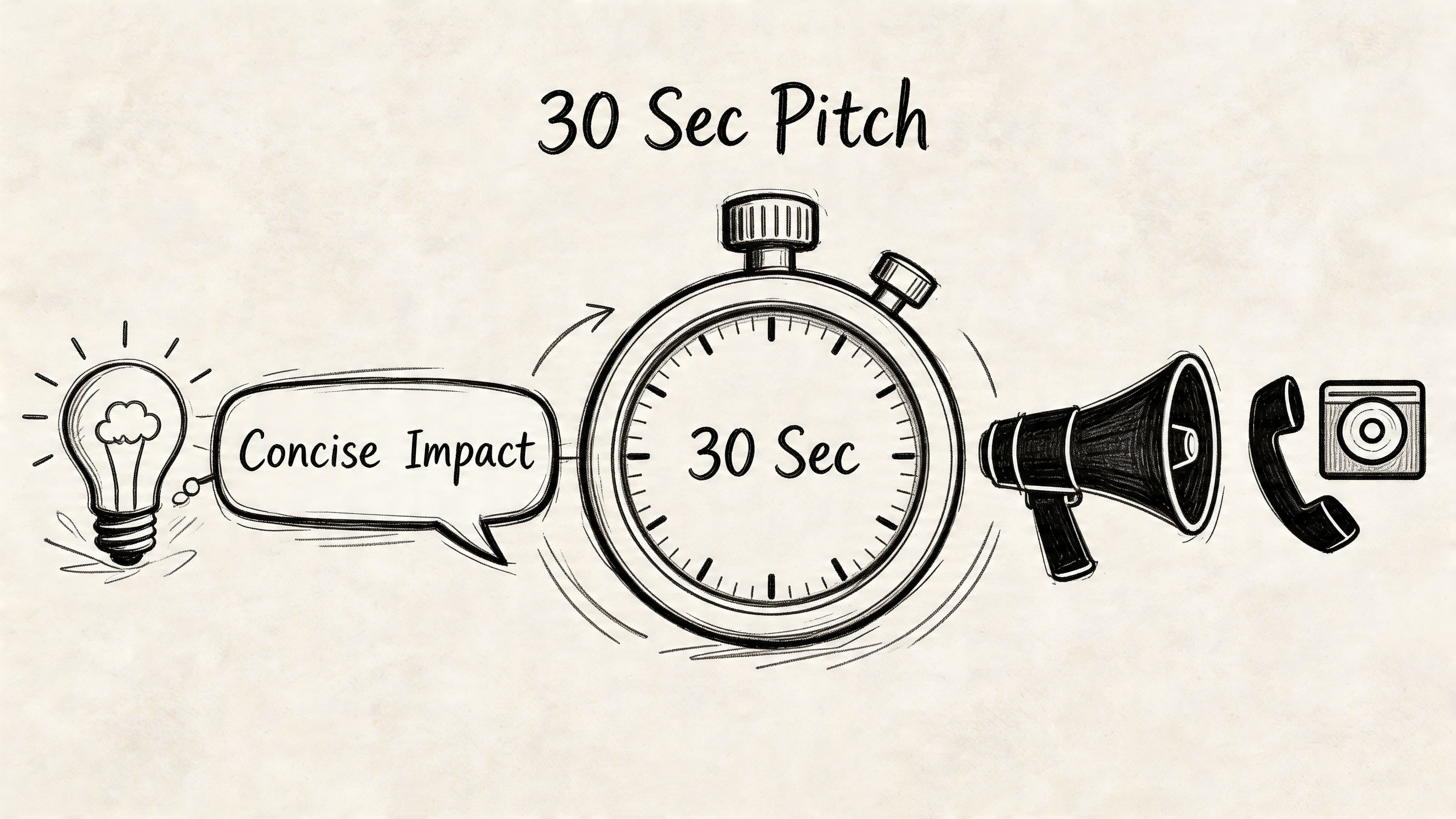
The format is simple. Identify yourself. Give context fast. State one reason the message matters. End with one clear call to action. If you try to add three offers, two URLs, and a long credibility speech, the message collapses.
According to the benchmark discussion cited earlier, concise 20 to 30 second scripts with a clear CTA perform best in practice, and better timing can improve listen-through rates. That aligns with what operators see every day. Voicemail rewards clarity, not creativity for its own sake.
Here are the rules worth following:
If you're using AI to draft a script, it helps to humanize chatgpt text before recording or generating audio. That extra pass often removes the stiff phrasing that makes a voicemail sound automated in the wrong way.
“Hi [First Name], this is [Rep Name] with [Company]. You had asked about [topic or service], and I wanted to follow up because we’ve helped businesses like yours with that exact issue. If you’d like to talk it through, call me back at [number]. Again, this is [Rep Name] at [number].”
“Hi [First Name], this is [Business Name] calling with a reminder about your upcoming appointment. If you need to confirm or make a change, please call us at [number]. Again, that’s [number]. We’ll be glad to help.”
“Hi [First Name], this is [Name] from [Company]. Just a quick reminder that [event name] is happening [day or time]. We’re covering [specific benefit]. If you haven’t saved your spot or need the details again, call us at [number] or check your registration email.”
“Hi [First Name], this is [Name] from [Business]. We haven’t seen you in a while, and I wanted to reach out with a quick update. If you’re still looking for help with [service or product category], call us back at [number] and we’ll point you in the right direction.”
This is a brand choice, not a universal rule.
| Option | Strong fit | Watch-out |
|---|---|---|
| Human recording | Relationship-driven outreach, higher-trust offers | Harder to scale updates |
| AI text-to-speech | Frequent updates, segmented campaigns, operational reminders | Can sound flat if the script is weak |
A human voice often wins when trust is the core variable. AI voice can work for reminders and structured updates if the script is clean and the voice quality is solid. Either way, the listener should feel like they received a message meant for them, not a recording dumped on a list.
A ringless voicemail campaign isn’t successful because it was sent. It’s successful when it moves someone toward the action you care about.
Some teams obsess over send volume. That’s the wrong lens. Start with the points where performance becomes operationally meaningful.
According to ringless voicemail performance benchmarks, campaigns can achieve open rates of 92% to 96%, optimized campaigns can reach response rates of 10% to 25%, and businesses report ROI improvements up to 80% when ringless voicemail is integrated into their funnels. Those numbers are useful as orientation, not permission to stop measuring your own data.
The practical KPI stack looks like this:
Use a simple model first. Compare campaign cost against the value of the conversions directly influenced by the campaign. Keep the math conservative.
What often goes wrong is attribution. A voicemail may not be the final touch, but it can be the touch that restarts movement. If your CRM isn’t capturing source and outcome data, you’ll under-credit the channel or give it too much credit based on anecdotes.
Field note: The farther ringless voicemail sits from your CRM, the harder it is to defend its budget.
Ringless voicemail gets more valuable when it stops operating as a standalone tool. If a voicemail drop triggers a callback, books an appointment, or reactivates a lead, that action should update the record automatically.
This is where platform integrations matter. Tools that connect ringless voicemail with CRMs and automation systems let you segment better, trigger follow-ups, and see the full customer path instead of a partial snapshot. If you’re reviewing process options, measuring marketing campaign effectiveness is easier when communication data and conversion data live together.
For teams that want a broader framework for attribution and spend efficiency, this guide on how to improve marketing ROI is a useful companion.
You don’t need a complicated architecture. You need a connected one.
| System | Role in ringless voicemail marketing |
|---|---|
| CRM | Holds consent, segmentation, outcomes, and owner assignment |
| RVM platform | Sends recordings, manages drops, logs campaign activity |
| Automation tool | Triggers follow-up email, SMS, or task creation |
| Reporting layer | Connects campaign activity to revenue or operational outcomes |
One practical option in this category is Call Loop, which supports ringless voicemail along with SMS, voice broadcasting, scheduling, segmentation, and Zapier-based integrations. That matters if you want voicemail activity tied into a broader outbound sequence rather than managed in isolation.
The goal isn’t more software. The goal is tighter feedback loops so you can cut weak campaigns faster and scale the ones that produce real business results.
It can be, if the list is poor, the message is irrelevant, or consent is shaky. It doesn’t have to be.
The dividing line is relevance plus permission. A reminder, follow-up, or well-targeted offer to a contact who expects communication is very different from a mass drop to strangers. Most complaints come from businesses treating voicemail like a loophole instead of a communication channel that still requires judgment.
Yes, ringless voicemail can be used for both, but performance depends on provider capability and number quality. That’s one reason platform selection matters operationally, not just financially.
If your audience includes a mix of mobile and landline contacts, confirm delivery behavior before making broad assumptions. Test small, review outcomes, then scale.
Short. If the recording drifts, response falls.
The best voicemails respect attention. State who you are, why you’re calling, and what to do next. If the message needs more than that, it may belong in a conversation, not a voicemail.
No. Some businesses overuse it because the first campaign worked.
Use ringless voicemail when voice adds clarity, trust, or urgency. If the message is transactional and simple, SMS may be better. If the issue is nuanced, a live call may be better. If you need documents, product detail, or multiple links, email may be better.
Expect variation by industry, list quality, message quality, and offer strength. There is no honest single number that fits every campaign.
What matters more is whether your callback quality improves. Ten weak callbacks can be less valuable than two calls from people who were properly segmented and already familiar with your business. That’s why smart teams evaluate not just response volume, but response intent.
For some use cases, yes. For others, no.
Cold calling is better when you need live discovery, objection handling, or immediate qualification. Ringless voicemail is better when you need scalable, low-friction outreach that starts a conversation without demanding one on the spot. Many businesses do best when they combine both. Voicemail warms the contact. A rep follows up with people who engage.
Less often than is commonly assumed.
Because voicemail feels personal, repetition can wear out goodwill quickly. If you’re using it, reserve it for moments that justify the format. New offer launches, event reminders, high-intent follow-up, reactivation, and important customer communication are better uses than routine blasting.
The failures are usually predictable:
Ringless voicemail marketing works when the campaign respects the listener’s time and the business respects the rules. That combination is what turns a voice drop into a measurable channel instead of a short-lived tactic.
If you want to run ringless voicemail campaigns with consent controls, scheduling, analytics, and multi-channel follow-up in one place, Call Loop is worth a look. It supports ringless voicemail, SMS, and voice workflows, including HIPAA-ready communication needs for healthcare teams that need outreach to be both effective and defensible.
Chris Brisson
Chris is the co-founder and CEO at Call Loop. He is focused on marketing automation, growth hacker strategies, and creating duplicatable systems for growing a remote and bootstrapped company. Chat with him on X at @chrisbrisson


Trusted by over 45,000 people, organizations, and businesses like


