
See a Demo
You're just one step away from seeing Call Loop in action.
Enter your information below to watch a demo right now.

You're just one step away from seeing Call Loop in action.
Enter your information below to watch a demo right now.

Tired of Empty Virtual Seats? Fill Your Next Webinar
You built the deck. You lined up the speaker. You picked a topic your customers care about. Then registrations started coming in slower than expected, and now the event page feels a lot quieter than it should.
That's a familiar problem. Most webinars don't underperform because the content is weak. They underperform because promotion is too narrow, too late, or too dependent on one channel. A single email blast rarely carries the load anymore, especially when buyers are already overloaded with inbox noise and social posts they scroll past without noticing.
The fix is usually straightforward. Treat promotion like a coordinated outreach system, not a one-off campaign. That means email, yes. But it also means SMS, voice broadcasting, ringless voicemail, segmentation, reminder timing, landing page discipline, and tight measurement.
The broader market is only making that more important. The virtual events market was valued at $198.7 billion in 2024 and is projected to reach $849.53 billion by 2035, according to virtual events market data cited here. More events means more competition for attention.
The good news is that good webinar promotion best practices still work when they're executed with intent. This guide gets straight to the list. No theory-heavy detours. Just 10 practical ways to drive more registrations, improve attendance, and build a promotion process that SMB teams can run.
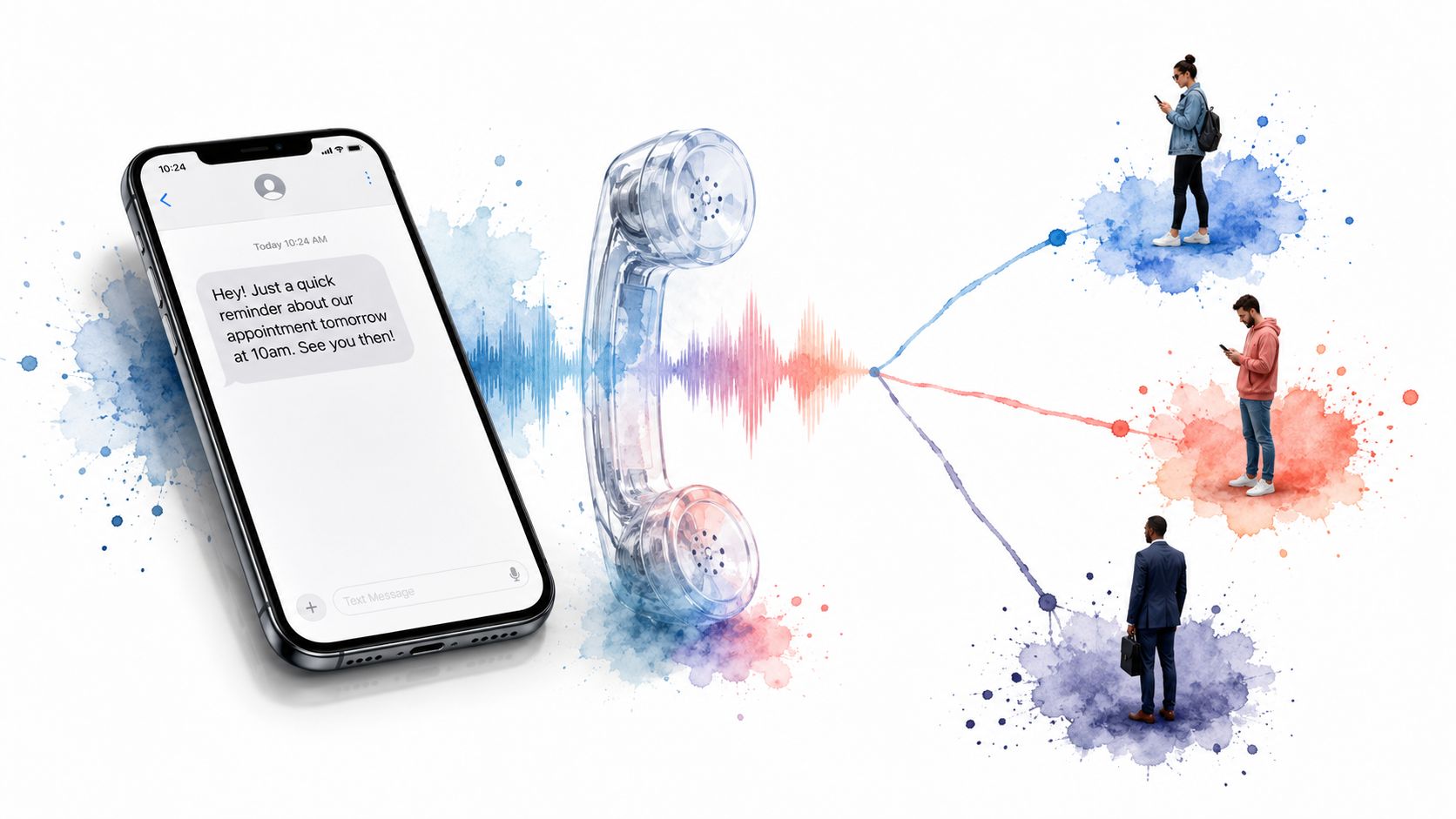
If you're still promoting webinars through email alone, you're making the job harder than it needs to be. SMS and voice broadcasting work well together because they solve different problems. SMS is fast, link-friendly, and ideal for mobile action. Voice is harder to ignore and works well for reminders, updates, and higher-touch outreach.
This matters most for teams with mixed audiences. A B2B SaaS company promoting monthly product training might send developers a short text with the registration link, while customer success leaders get a voice reminder framed around adoption and onboarding outcomes. A healthcare provider announcing a patient education webinar might rely on voice for older contacts and SMS for mobile-first registrants.
Use SMS for the shortest path to action. Put the registration link in the message, keep the copy tight, and make the value obvious in a few words.
Use voice broadcasting when you need context. If the webinar is niche, time-sensitive, or tied to a more serious topic such as compliance, a recorded message can explain why the session matters without forcing someone to read a long text.
A practical setup looks like this:
Practical rule: Don't send the same message in both formats. SMS should drive the click. Voice should reinforce the reason to care.
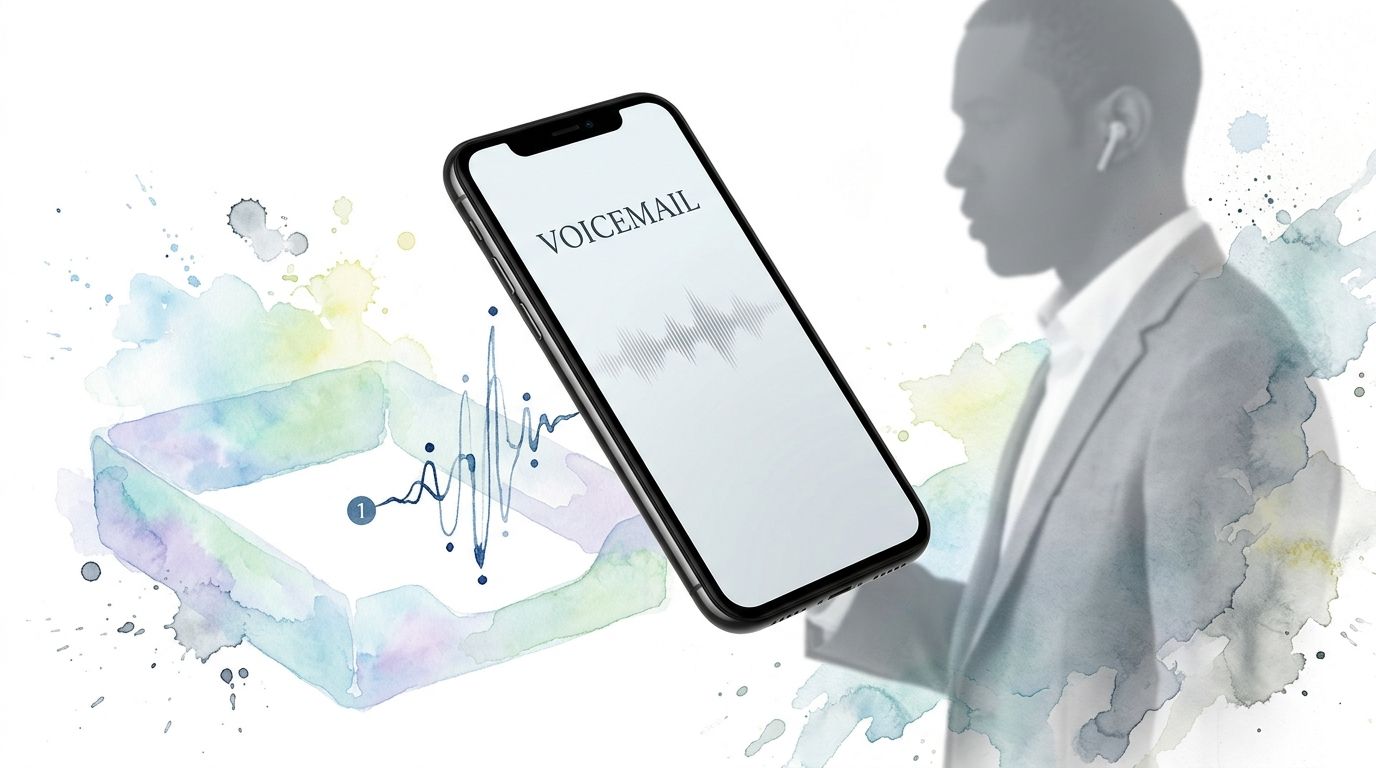
Ringless voicemail is one of the more useful channels for webinar promotion when the audience is busy, selective, and hard to reach live. It places the message directly in voicemail without ringing the phone, which makes it less disruptive than a call and more noticeable than another email.
That format fits executive briefings, financial services webinars, specialist healthcare education, and invitation-only training. If you're trying to reach decision-makers who screen calls and ignore crowded inboxes, ringless voicemail gives you a middle path.
The strongest use case is a high-value webinar with a clear audience. Think enterprise software vendors inviting operations leaders to a closed demo, or a consulting firm promoting an industry-specific strategy session. In both cases, a concise human voice can feel more credible than generic campaign copy.
According to this ringless voicemail marketing overview, ringless voicemail can deliver messages directly to voicemail inboxes without triggering a phone ring, making it useful for lower-friction outreach. Verified industry data also notes that ringless voicemail delivers up to 95% of messages directly to voicemail inboxes and shows a successful drop rate of 85 to 90% for mobile and landline numbers when scheduled during prime business hours.
Keep the script simple. State who the webinar is for, why it matters, and what action to take next. Then follow with SMS within a day so the recipient gets a clickable registration path.
A good ringless voicemail invite sounds like a professional heads-up, not a broadcast.
Text-to-join is one of the cleanest ways to remove friction from webinar sign-up. Instead of asking someone to read a social caption, click a page, fill out a form, and then check email, you give them a simple keyword to text. That's especially useful when the audience is mobile, distracted, or seeing the promotion in a format where typing a long URL is annoying.
I've found this works best when the keyword is easy to remember and tied to the webinar topic. A tech conference promoting a keynote preview might use a short keyword linked to the session theme. An education team could place the keyword on a slide, a printed handout, a podcast ad, or a LinkedIn graphic.
Text-to-join campaigns fail when teams overcomplicate the next step. Don't force people through a maze of follow-up messages. The first automated reply should confirm the opt-in, restate the webinar topic, and provide the registration path or confirmation details immediately.
Verified data from mobile communication findings summarized here says SMS reminders achieve a 98% delivery rate and a 45% response rate within 15 minutes, and when the message includes a text-to-join keyword plus a one-click registration link, 68% of recipients complete registration within 10 minutes.
That speed matters for short promotion windows and last-minute pushes.
For SMB teams, this is one of the fastest ways to build a mobile-first registration flow without adding more landing page friction.
Most webinar campaigns don't need more messages. They need better timing and better sequencing.
A proper drip campaign gives each touchpoint a job. One message announces the event. Another reinforces the problem the webinar solves. Another reminds the registrant to attend. Another catches people who meant to sign up but forgot. That structure works far better than repeating the same “register now” note over and over.
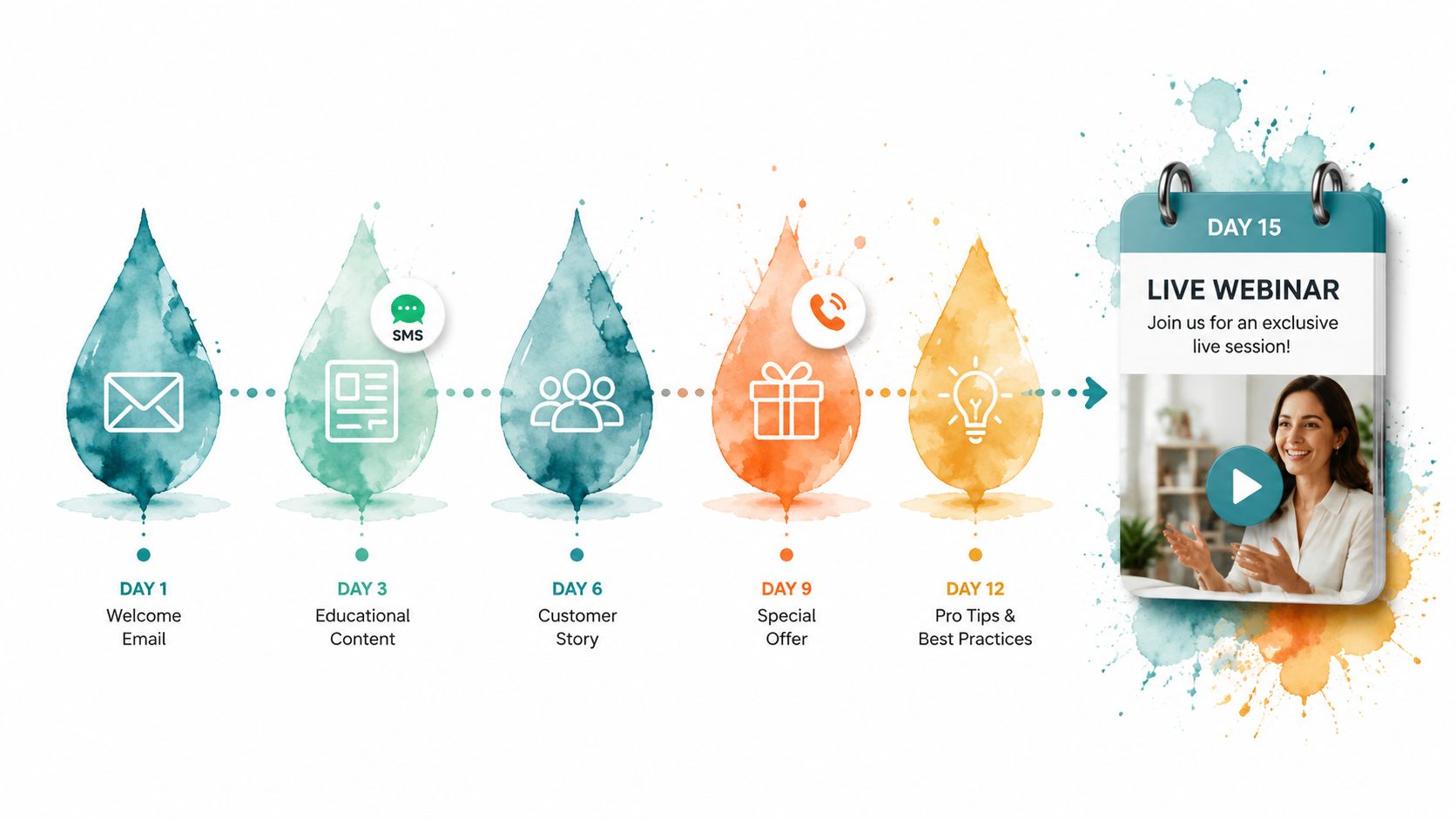
Industry guidance in the verified data set says a well-planned webinar promotion campaign typically needs an awareness and consideration phase lasting two to three weeks, with a structured sequence that often includes an initial announcement, a follow-up one week later, and a final day-of message. That timeline gives email, social, paid, SMS, and voice enough room to work together instead of colliding.
If you're using automation, the sequence should also stop promoting once someone registers. That sounds obvious, but a lot of teams miss it. People who already signed up shouldn't keep getting acquisition messages. They should shift into attendance reminders.
For teams using SMS, voice, and ringless voicemail together, these drip campaign best practices are useful for thinking about timers, triggers, and channel coordination. On the email side, deliverability still matters. If your invites are landing in junk, a guide on how to stop email from going to spam in Gmail can help tighten the basics.
A webinar registration isn't a commitment unless you help the person keep it. People register with good intentions, then meetings stack up, inboxes fill, and the event disappears from memory.
That's why reminder sequences matter so much. They turn registration into attendance.
The strongest reminder systems behave more like appointment logistics than marketing copy. Confirm the date, time, access path, and timezone. Keep every reminder easy to scan. If the event needs prep materials, send them early. If it's live Q&A, say that clearly so attendees know there's a reason to show up in real time.
Verified benchmark data says adding calendar invites immediately after registration reduces attendance forgetfulness by 40%, and a reminder sequence sent one week, one day, and one hour before the event boosts live attendance by 25%, according to webinar promotion benchmarks compiled here.
That pattern is useful across industries. A medical association can confirm a clinician training webinar the same way a corporate learning team confirms internal product enablement.
Send reminders as service messages, not mini sales letters. People already said yes. Your job is to make attendance easy.
A solid reminder flow often includes:
One reason webinar promotion stalls is that teams write one message for everyone. That usually weakens the offer. The same webinar can mean very different things to a beginner, a power user, a buyer, or a skeptical executive.
Segmentation fixes that. It doesn't have to be elaborate. Even basic audience grouping can sharpen the message enough to lift response quality.
A software company might promote one product training webinar to three groups. Current users get messaging about faster adoption. Prospects get messaging about workflow visibility. Executives get messaging about risk reduction or team efficiency. Same webinar, different hook.
Healthcare organizations can do the same by specialty. Agencies can do it by client maturity. Consulting firms can split by prior engagement, such as downloaded resource, attended event, requested demo, or inactive lead.
The verified data highlights segmentation by demographics and behavior during the promotion window so marketers can personalize content for each segment. That's practical advice because behavior usually tells you more than title alone. Someone who clicked the speaker bio but didn't register needs different copy from someone who registered for your last three webinars.
The best webinar promotion best practices don't just increase volume. They improve fit. Better-fit registrants usually become better attendees.
You can't improve what you can't attribute. If every channel points to the same raw registration URL, you lose visibility into what drove the sign-up.
Tracked short links fix that. They make SMS cleaner, they reduce visual clutter in voice follow-up texts, and they give you a direct way to compare performance across campaigns.
A marketing agency promoting the same webinar through email, SMS, and follow-up voice should use a different tracked link for each channel. A B2B sales team can go further and assign different links by audience segment, message angle, or send date. That creates a clearer read on what caused the registration.
This matters even more when you're using short-form channels. Verified data says text-based reminders through SMS or ringless voicemail achieved a 4.2x higher click-through rate than email in a 2025 webinar report because the messages were shorter and more visible on mobile, according to this webinar promotion analysis.
Once clicks come in, compare them against actual registrations, not just click volume. A message that gets curiosity clicks but weak form completion isn't your winner.
For SMB teams, this is one of the easiest upgrades to make. It turns guessing into campaign learning.
A lot of teams avoid SMS, voice, or ringless voicemail because compliance feels messy. That hesitation is understandable, especially in healthcare, finance, and other regulated sectors. But the answer isn't to avoid the channels. It's to build the list correctly.
Double opt-in is one of the simplest ways to protect both the brand and the campaign. It confirms that the person wants the messages, and it gives you a stronger record of consent.
If your webinar program depends on repeat promotions, list quality matters more than list size. Double opt-in helps strip out mistyped numbers, accidental submissions, and weak-intent signups that create complaints later.
For a practical overview, this explanation of double opt-in is a useful reference. If you're still building your broader owned audience, this Email List Building guide is also worth reviewing.
The underserved angle here is important. Verified data notes that many SMBs fail to maximize SMS for lead capture because of compliance fears and uncertainty around consent workflows. That's exactly why webinar promotion best practices should include documentation, preference handling, and channel-specific permissions from day one.
Use a straightforward process:
Clean consent records make aggressive outreach unnecessary. When people expect the message, response quality improves.
Not every webinar deserves live sales involvement. But some do.
If you're promoting an executive briefing, a high-ticket SaaS workshop, or an invitation-only consulting session, a press-1 transfer campaign can separate casual interest from real buying intent. A prospect hears the voice message, presses 1, and gets routed to a rep who can answer questions and confirm whether the session fits.
This approach works best when the webinar is closely tied to revenue. For example, an enterprise software company inviting operations leaders to a limited-capacity demo might use press-1 to connect qualified prospects with an account executive. A consulting firm running a strategy session for finance leaders could use the same flow to confirm eligibility and tailor the invitation.
The trade-off is staffing. If you route people to a human, someone has to be ready. That means giving reps the webinar value proposition, talking points, schedule details, and a clear qualification path before the campaign starts.
A few practical rules keep this channel useful:
This tactic isn't for every SMB, but when the webinar is tied to serious pipeline, it can create much better conversations than a cold landing page alone.
A webinar campaign can look successful and still underperform. Plenty of teams celebrate registrations without knowing which channels drove qualified attendees, which reminders improved attendance, or whether the event produced any meaningful follow-up.
Attribution fixes that. It gives you a way to judge the campaign by outcome, not just activity.
The strongest webinar teams track each step. Which channel drove the first click. Which message converted the registration. Which reminder contributed to attendance. Which attendees asked questions, watched the full session, or moved into a sales conversation afterward.
That matters because multi-channel promotion often creates assisted conversions. Someone may see a LinkedIn post, ignore it, later click an SMS, and finally attend because a voice reminder nudged them. If you credit only the last touch, you'll underinvest in awareness. If you credit only the first touch, you'll underinvest in attendance.
For broader planning, a primer on multi touch attribution is useful context.
Verified benchmark data says multi-channel campaigns starting four to six weeks before the event achieve a 35% higher registration rate than single-channel efforts, while email accounts for 68% of total sign-ups in those campaigns. The same benchmark set notes that high-performing landing pages should stay visually simple and that limiting forms to name and email can reduce drop-off compared with asking for extra fields.
Use that as a measurement framework, not just a planning note.
| Item | Implementation complexity | Resource requirements | Expected outcomes | Ideal use cases | Key advantages |
|---|---|---|---|---|---|
| Multi-Channel Webinar Promotion Using SMS + Voice Broadcasting | Moderate–High (orchestrating multiple channels) | SMS & voice platform, segmentation data, creative assets, analytics | Broader reach and higher attendance; cross-channel metrics | Broad-audience webinars (B2B SaaS, healthcare, agencies) | Multi-touch reach, personalized messaging, measurable results |
| Ringless Voicemail for High-Value Webinar Invitations | Low–Moderate (voicemail delivery setup) | Clean phone lists, voicemail drop platform, recordings/TTS | High listen/open rates; asynchronous engagement (no live feedback) | Executive/invite-only and premium events | Non-intrusive delivery, professional perception, strong listen rates |
| SMS Text-to-Join Registration Campaigns | Low (keyword and opt-in flow) | Shortcode or dedicated number, SMS platform, promotional channels | Rapid opt-ins and higher mobile conversion rates | Mobile-first or time-sensitive promotions, conferences | Low friction enrollment, instant confirmation, improved conversion |
| Drip Campaign Sequences for Webinar Attendance Optimization | High (complex automation and branching) | Marketing automation, multi-channel content, timing logic, analytics | Increased registrations and attendance; sustained engagement | Nurture sequences for product training and multi-week events | Automated multi-touch engagement, builds anticipation, scalable |
| Appointment Reminder Sequences for Webinar Registration Confirmation | Low–Moderate (scheduling and triggers) | Calendar integration, SMS/voice reminders, accurate registrant data | Significant attendance uplift and reduced no-shows | Confirmed registrants (healthcare, certification, corporate training) | High ROI, reduces no-shows, improves preparedness |
| Segmented SMS Campaigns Based on Audience Persona and Engagement Level | Moderate–High (data-driven segmentation) | Detailed audience data, CRM integration, multiple message variants | Higher relevance, better conversion, lower unsubscribe rates | Persona-driven B2B campaigns, industry-specific webinars | Personalized messaging, targeted relevance, improved conversion |
| Click-Tracked Shortened Links for Multi-Channel Webinar Promotion | Low (link shortening and tracking) | URL shortener/tracking tool, analytics dashboard | Clear channel attribution and actionable performance data | Multi-channel campaigns needing attribution and optimization | Better attribution, improved SMS deliverability, actionable insights |
| Compliance-First Double Opt-In for Legal Webinar List Building | Moderate (consent workflows and record-keeping) | Opt-in automation, audit trails, legal/compliance oversight | Legally compliant lists with higher-quality contacts; lower regulatory risk | Regulated industries (healthcare, finance) and enterprise marketing | Reduces legal exposure, improves list quality, provides auditability |
| Press-1 Transfer Campaigns for Live Webinar Lead Qualification | High (IVR + live agent integration) | IVR/transfer infrastructure, staffed sales team, CRM integration | Real-time lead qualification and higher qualified-attendee rates | High-ticket or sales-driven webinars requiring qualification | Immediate engagement, real-time qualification, higher conversion to sales |
| Cross-Channel Attribution and ROI Measurement for Webinar Campaigns | High (data integration and modeling) | Analytics platform, CRM/ad integrations, tracking setup, analytics expertise | Accurate ROI, optimized budget allocation, measurable impact | Enterprise or growth teams measuring pipeline and spend efficiency | Holistic performance visibility, data-driven budget decisions, continuous optimization |
Good webinars don't fill themselves. They get filled by systems that respect how people respond to outreach. Some people click a text immediately. Some need an email sequence and a calendar invite. Some ignore every inbox prompt but listen to a voicemail on the drive home. If your promotion plan only supports one of those behaviors, you leave registrations behind.
That's why the strongest webinar promotion best practices are coordinated, not isolated. Multi-channel promotion works because each channel handles a different part of the decision. Email carries detail. SMS drives quick action. Voice adds urgency. Ringless voicemail creates a lower-friction way to reach busy contacts who won't answer calls and won't read another long invite.
Landing page discipline matters too. Verified data from a conversion benchmark summary found that webinar landing pages with fewer than three form fields achieved a 72% conversion rate, compared with 38% for pages with six or more fields. The same benchmark summary notes that adding a short video teaser increased registration by 28%, and a clear “why attend” benefit statement improved conversion by 19%. In practice, that means promotion and page design can't be separated. Great outreach routed to a bloated form still loses momentum.
Promotion timing has the same effect. Verified event data says attendance rates drop sharply when reminders are sent only once, while a three-part reminder sequence performs much better across large event samples. If you're still relying on a single confirmation email and a last-minute social post, you're not giving your webinar a real chance to succeed.
What usually doesn't work is easy to spot. Generic blasts to the full list. Long forms. One reminder. No segmentation. No suppression of registrants from promo workflows. No channel-level tracking. And no compliance structure for SMS, voice, or ringless voicemail. Those mistakes don't just lower response. They make future campaigns harder because list quality, trust, and deliverability all degrade over time.
SMBs have an advantage here because they can move faster than larger teams. You don't need a massive event department to improve results. You need a repeatable playbook. Pick one upgrade and implement it cleanly. Add text-to-join. Build a reminder sequence. Introduce ringless voicemail for your higher-value webinars. Tighten the landing page. Tag every link. Then review the results and keep what earns its place.
Done well, promotion becomes more than a launch checklist. It becomes the asset that makes every future webinar easier to fill, easier to measure, and more likely to create real business value.
If you want one platform to run this playbook without stitching together separate tools, Call Loop is built for it. You can coordinate SMS, voice broadcasting, ringless voicemail, text-to-join keywords, drip campaigns, reminders, click tracking, segmentation, and compliance workflows in one place, which makes it much easier to promote webinars at scale and see what's working.
Chris Brisson
Chris is the co-founder and CEO at Call Loop. He is focused on marketing automation, growth hacker strategies, and creating duplicatable systems for growing a remote and bootstrapped company. Chat with him on X at @chrisbrisson


Trusted by over 45,000 people, organizations, and businesses like


